# When STEM Lessons Are Too Easy, Students Stop Thinking
Educators often equate student engagement with learning, but research suggests the relationship is more complex. TeachThought reports that when STEM lessons lack sufficient challenge, students disengage intellectually even while appearing busy.
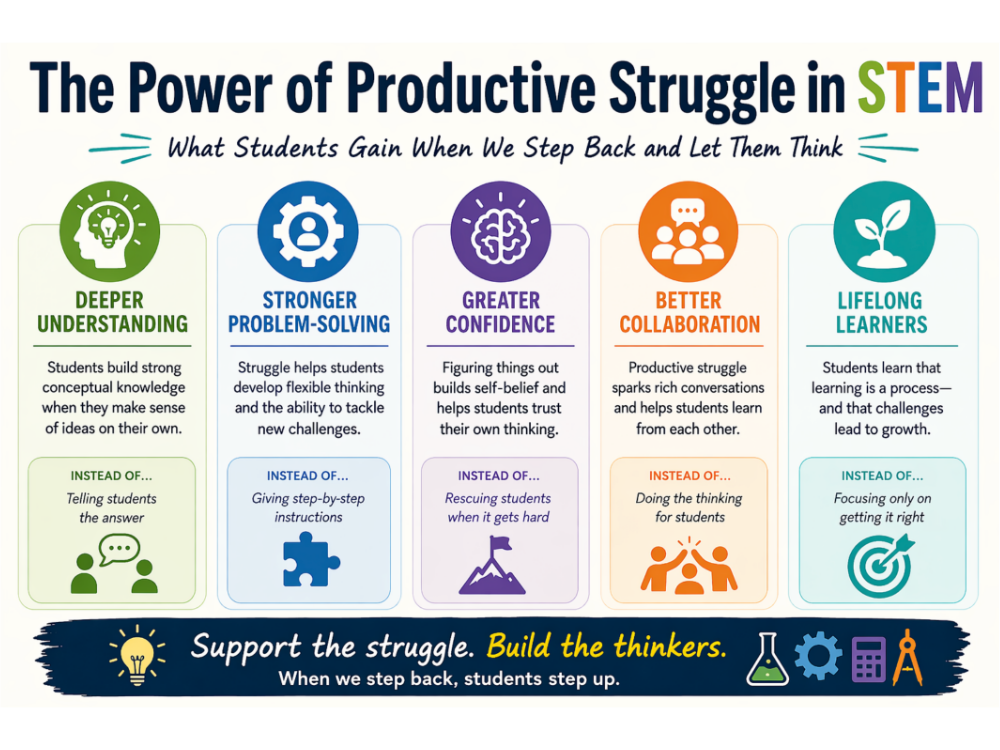
The distinction matters. A student completing worksheet after worksheet on familiar concepts may look engaged but is not thinking deeply. Real learning requires cognitive struggle. When material sits below a student's current ability level, boredom sets in. Students stop wrestling with ideas. They stop asking questions. They stop building new mental models.
This problem shows up across STEM classrooms. Teachers, pressured to maintain "engagement" metrics, sometimes opt for activities that keep students occupied rather than challenged. A robotics exercise that follows a step-by-step script demands less thinking than one where students must debug code and redesign solutions. A physics problem with a single correct answer, applied the same way every time, generates less learning than one requiring students to choose their own problem-solving approach.
The research is clear: learning happens in the zone of proximal development, where tasks stretch just beyond current ability. This requires ongoing assessment. Teachers must know what each student already understands and calibrate lessons accordingly. That work is harder than assigning the same activity to all 30 students at once.
District policies sometimes make it worse. Pacing guides that move all students through the same content at the same pace ignore what cognitive science tells us about development. Standardized curriculum materials designed for average learners short-change both advanced and struggling students.
The fix requires rethinking how schools measure success. Busy students are not necessarily learning students. Teachers need time to diagnose what students understand, permission to differentiate instruction, and trust that intellectual struggle, not constant productivity, builds real STEM competency. When lessons match the sweet spot between too easy and impossible, students think