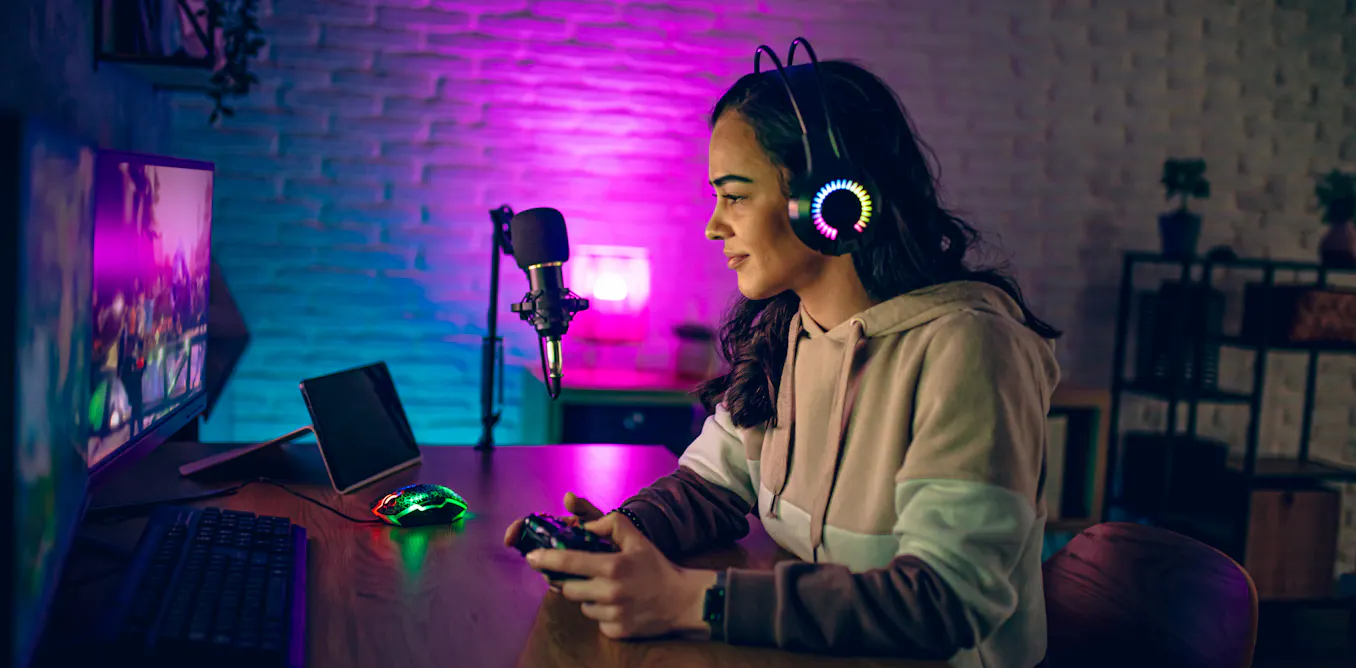
Gaming offers mothers a legitimate pathway to stress relief and skill development, according to new research, yet household responsibilities and internalized guilt continue to block their access to this benefit.
The study documents that mothers who game experience measurable improvements in wellbeing and mental health. Gaming provides cognitive engagement, social connection through multiplayer platforms, and a structured break from parenting duties. For many mothers, gaming serves as a form of self-care comparable to other leisure activities.
However, the research reveals a persistent obstacle. Mothers report feeling guilty about gaming time, viewing it as selfish or a distraction from family responsibilities. This guilt stems partly from gendered expectations around motherhood and domestic labor. While fathers face fewer social judgments about gaming, mothers navigate conflicting messages: society endorses self-care rhetorically but penalizes mothers who actually prioritize it.
The study notes that household workload directly constrains gaming opportunities. Mothers often lack uninterrupted time because they remain the primary manager of childcare and domestic tasks, even when employed full-time. Gaming requires sustained focus and extended periods of availability. Without structural support or shared domestic responsibility, mothers struggle to carve out space for recreational gaming.
The research suggests that normalizing gaming as a valid stress-management tool requires addressing both individual guilt and systemic imbalances. When mothers game without guilt, they report stronger mental health outcomes and greater life satisfaction. Yet this individual outcome depends partly on family dynamics and cultural attitudes toward maternal leisure.
The findings add to growing evidence that recreation and play directly support parental wellbeing. Schools and employers increasingly recognize that teacher wellbeing affects student outcomes. Similar logic applies to parents. When mothers have guilt-free access to stress relief activities, families benefit. The barrier remains not scientific validation but social permission and equitable distribution of household labor.