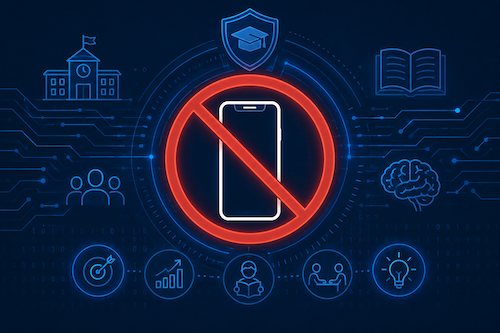
Schools across the country face mounting pressure to address smartphone use without resorting to outright bans. Rather than prohibiting devices entirely, educators and administrators increasingly recognize that targeted policies offer better results for student focus and learning.
Many districts now implement systems that allow students to access phones for legitimate purposes while restricting use during instructional time. These approaches typically involve designated storage solutions, scheduled phone breaks, and clear classroom expectations that distinguish between necessary device access and disruptive use.
The shift reflects growing evidence that blanket bans prove difficult to enforce and may create false security. Schools in multiple states have experimented with phone lockers, pouches, and collection systems that secure devices at the start of class, then return them during lunch or designated periods. This strategy addresses concerns about classroom distraction while acknowledging that phones serve legitimate purposes for communication, emergency contact, and certain educational tasks.
Policymakers recognize the complexity. Students and parents expect connectivity for safety reasons. Schools need communication channels for lockdown alerts and weather emergencies. Teachers require flexibility to integrate technology when pedagogically sound. Absolute prohibition oversimplifies these competing demands.
Research suggests that policies combining physical barriers with clear behavioral expectations outperform either strategy alone. Schools pairing device storage systems with explicit teaching about phone etiquette and digital citizenship report better classroom engagement than those relying solely on student self-regulation.
The conversation has moved beyond whether phones belong in schools. Districts now focus on when, how, and under what conditions phones enhance rather than undermine learning. Some schools grant specific classes phone-free status while allowing devices in others. Others create phone-free lunch periods to encourage peer interaction.
Districts implementing these nuanced policies report that transparent communication with families proves essential. When parents understand the reasoning behind restrictions and see consistent enforcement, resistance typically decreases.
The most effective approaches treat phone management as an opportunity for teaching responsibility rather than simply controlling behavior. Schools building student