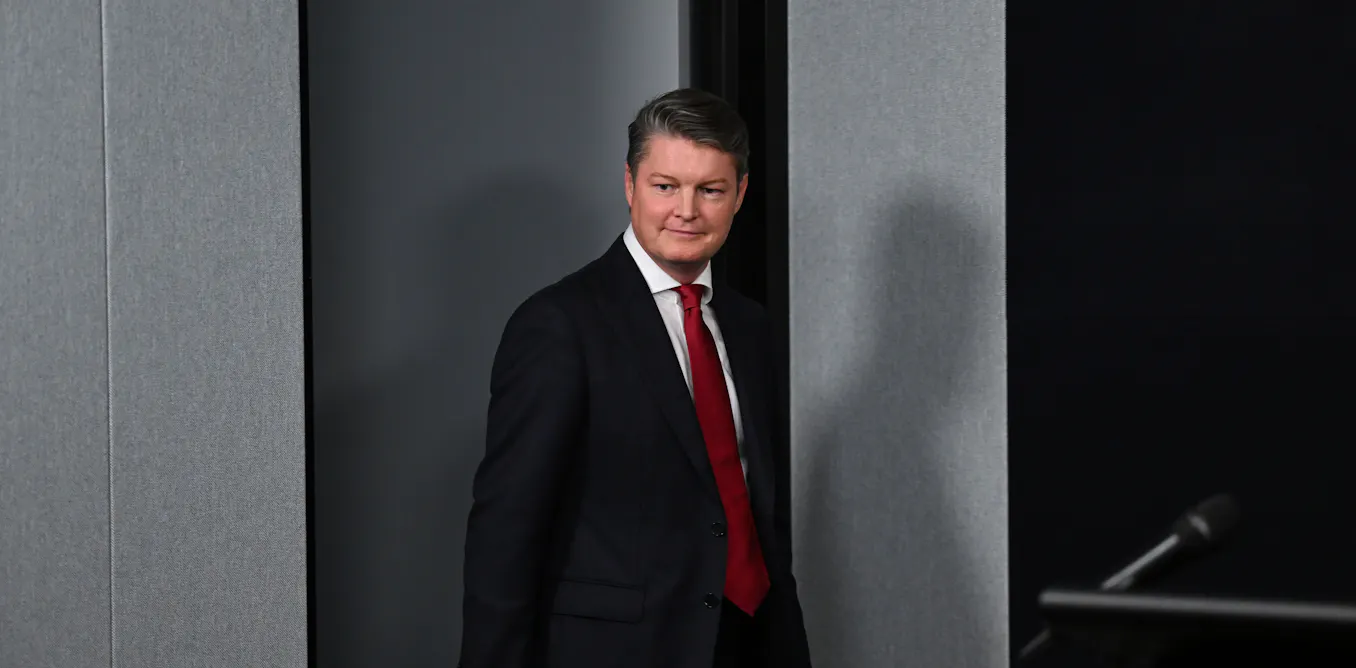
Ben Carroll assumed the Victorian premiership following the resignation of his predecessor, inheriting a state government facing mounting pressure ahead of an election scheduled within four months. The Labor Party now confronts a tight timeline to stabilize internal divisions, articulate a coherent policy agenda, and persuade voters to grant a fourth consecutive term.
Carroll's immediate challenges span education, healthcare, and infrastructure. Victoria's public school system struggles with teacher shortages and classroom overcrowding. The state's hospitals operate under strain, with emergency departments reporting sustained wait times. Infrastructure projects demand capital allocation and completion timelines that align with electoral cycles.
Party unity looms as the premier's first operational test. Labor factions must coalesce around policy priorities and messaging. Without internal cohesion, the party risks projecting weakness to voters already fatigued by extended political tenure. Four months provides a compressed window for damage control and narrative rebuilding.
The electoral math favors the opposition. Government parties holding power for three consecutive terms typically face voter fatigue and swing dynamics. Recent polling suggests the race remains competitive rather than assured. Carroll must convert public appearances and policy announcements into tangible voter confidence.
His predecessor's exit signals underlying party tensions that Carroll inherits rather than resolves automatically. Rebuilding institutional credibility demands both symbolic gestures and concrete deliverables. Education funding announcements, healthcare worker recruitment initiatives, or transport infrastructure commitments offer pathways to demonstrate governance competence.
The four-month countdown creates strategic pressure. Campaign resources deploy across messaging, candidate support, and voter contact operations simultaneously. A fractured party cannot execute this program effectively. Conversely, unified Labor messaging focused on future-oriented policy could reset perceptions and generate momentum.
Carroll faces the classic governing paradox. Demonstrating leadership capacity requires delivering results, yet the compressed timeframe limits substantive implementation. Perception management becomes equally important as policy substance. Voters assess both his personal