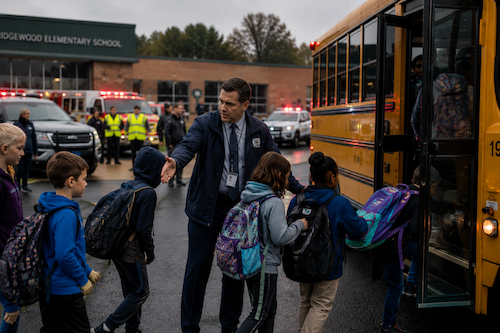
A school district's comprehensive safety planning moves beyond compliance checklists to create tangible protections for students and teachers, according to education leaders discussing real-world implementation.
The distinction matters. While safety protocols exist on paper in most districts, effective planning translates those documents into practiced routines, trained staff responses, and building modifications that staff and students understand and rehearse regularly.
Comprehensive school safety planning typically includes multiple layers. Districts establish clear communication systems for emergencies, train staff on threat assessment and de-escalation, conduct regular drills that simulate various scenarios, and coordinate with local law enforcement. Physical security improvements range from controlled building access to emergency alert systems that reach classrooms within seconds.
The approach recognizes that no single measure stops all threats. Metal detectors alone don't work. Neither do locked doors without trained staff who know how to respond. Effective safety requires integration across technology, personnel, facilities, and procedures.
Schools implementing comprehensive plans report measurable outcomes. Staff confidence in emergency response improves when they train regularly. Students who practice drills become calmer and more focused during actual incidents. Teachers report reduced anxiety when they understand the specific protocols their building follows and know their role in protecting students.
Implementation challenges remain real. Comprehensive planning requires sustained funding for training, equipment maintenance, and regular updates as threats evolve. Some districts struggle to balance safety measures with maintaining welcoming school environments. Parents and educators sometimes disagree on which measures work best.
The evidence suggests that fragmented approaches fail. Districts that treat safety planning as a one-time compliance task and then move on see fewer measurable improvements than those treating it as ongoing work. Regular drills, updated protocols, and staff training create institutional memory and consistent practice.
Districts serious about protection invest in professional development for administrators and teachers, conduct annual plan reviews, involve law enforcement in planning conversations, and gather feedback from staff about what works in their specific buildings. This approach acknowled