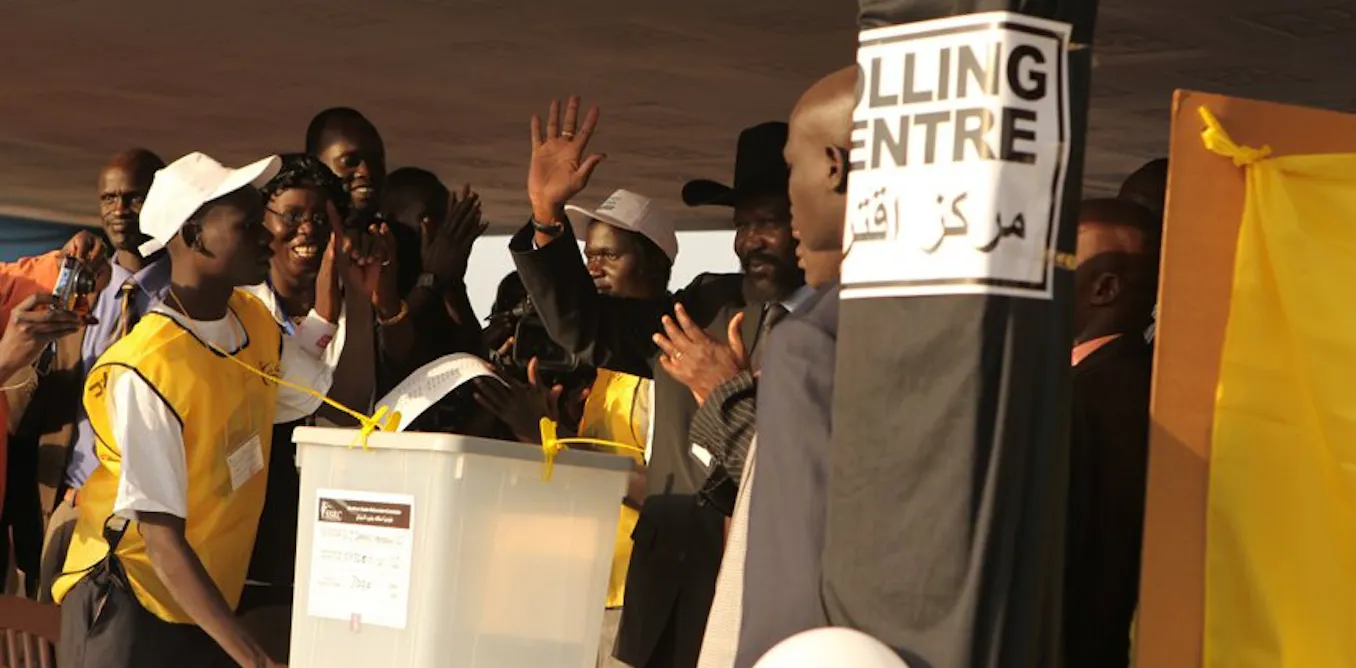
South Sudan faces a pivotal moment as it prepares for its first elections following decades of civil conflict. The nation has postponed voting multiple times since a 2018 peace agreement, citing unpreparedness and security concerns. Officials now signal elections will proceed, though conditions remain far from ideal.
The country lacks basic electoral infrastructure. Voter registration remains incomplete across rural areas. Election management bodies need strengthening. Security threats persist in multiple regions. Training for poll workers and election observers has progressed unevenly.
Yet postponing again carries grave risks. Delayed elections breed frustration among citizens and undermine confidence in the peace process itself. Extended delays increase the likelihood that political tensions reignite, threatening the fragile stability the 2018 agreement established. South Sudan's political actors have already shown willingness to resort to violence when negotiations stall.
International observers acknowledge that no nation emerging from prolonged civil war achieves perfect electoral conditions before holding its first post-conflict vote. Rwanda, Mozambique, and other African countries held elections amid ongoing insecurity and incomplete preparations. Those elections proceeded because the alternative, further delay, posed greater dangers to peace and stability.
The path forward requires accepting imperfect conditions while implementing safeguards. South Sudan must strengthen security deployments in volatile regions, accelerate voter registration in underserved areas, and establish clear dispute resolution mechanisms. International election monitors should deploy broadly to observe the process and build public confidence.
For South Sudan's government and opposition parties, moving forward demonstrates commitment to the peace agreement. Citizens have waited long enough for their voice in governance. A managed election with acknowledged limitations serves democracy better than another postponement that risks unraveling the entire peace framework. The calculation is not whether conditions are perfect, but whether delay poses greater danger than proceeding with imperfect preparations.