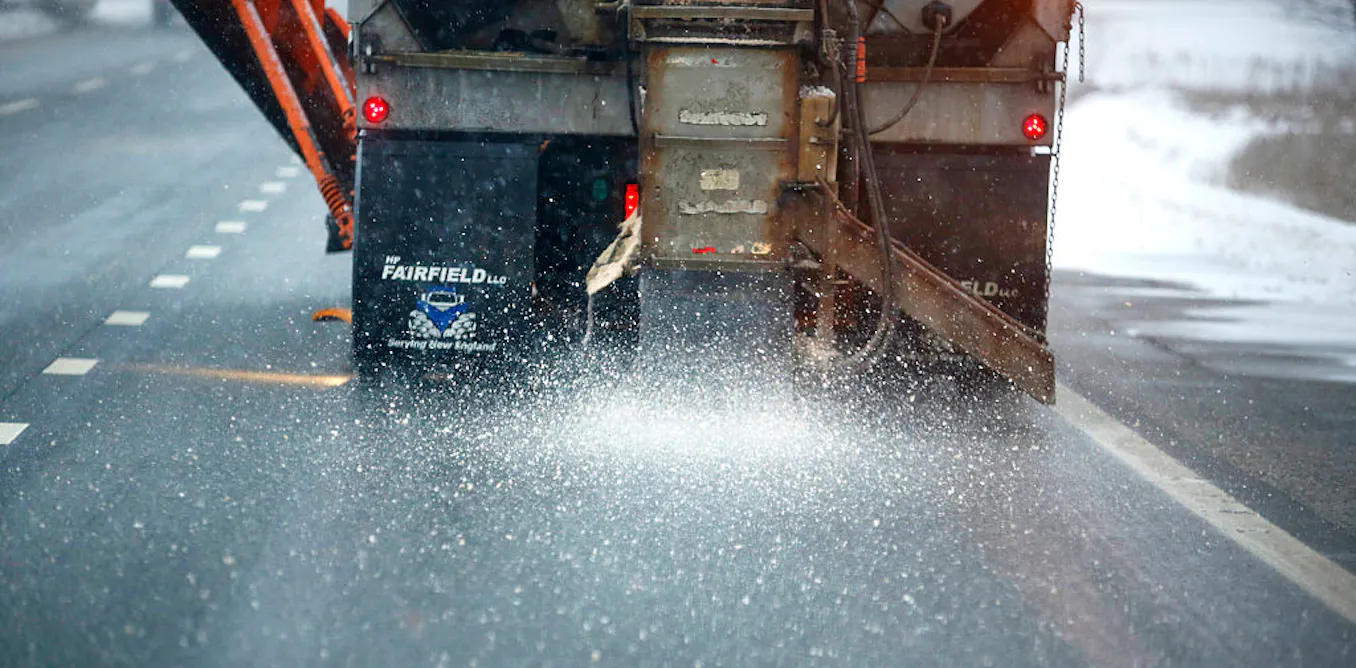
# Pennsylvania Roads Are Being Coated in Radioactive Wastewater
Wastewater from Pennsylvania's natural gas extraction operations is being spread on rural roads as a dust suppressant, despite containing both salt and radioactive materials. The practice persists because of cost, limited regulation, and the state's industrial influence.
Natural gas companies extract massive volumes of wastewater during hydraulic fracturing. This brine contains high levels of salt and naturally occurring radioactive elements like radium. Rather than dispose of this waste properly, operators have long sought cheaper alternatives. Spreading it on unpaved roads became common in rural areas across northwestern Pennsylvania, where many communities depend on agricultural and resource-extraction economies.
The wastewater does suppress dust temporarily through its salt content. But research shows it leaves behind radioactive residue that can accumulate over time. Radium, which decays slowly, poses long-term health risks including bone cancer and other malignancies with extended exposure. The salt also damages road surfaces and contaminates groundwater supplies that rural residents often rely on.
Pennsylvania's Department of Environmental Protection has issued guidelines limiting this practice, but enforcement remains weak. The state classifies much of this wastewater as industrial waste rather than hazardous waste, a designation that exempts it from stricter disposal requirements. This regulatory gap reflects Pennsylvania's historical reliance on oil and gas revenues and industry lobbying.
Communities affected by the practice report elevated radiation levels on roads and in nearby soil. Children who play on these roads face particular risk. Property values have declined in some areas as residents become aware of the contamination.
Alternatives exist. Dust suppressants like magnesium chloride or paving roads entirely cost more upfront but eliminate the health hazard. Some neighboring states have banned the practice outright. Pennsylvania continues allowing it, prioritizing industry costs over public health in regions that lack political power to demand change.