# Green Spaces as Climate Adaptation Tools: South Africa's Community-Led Model
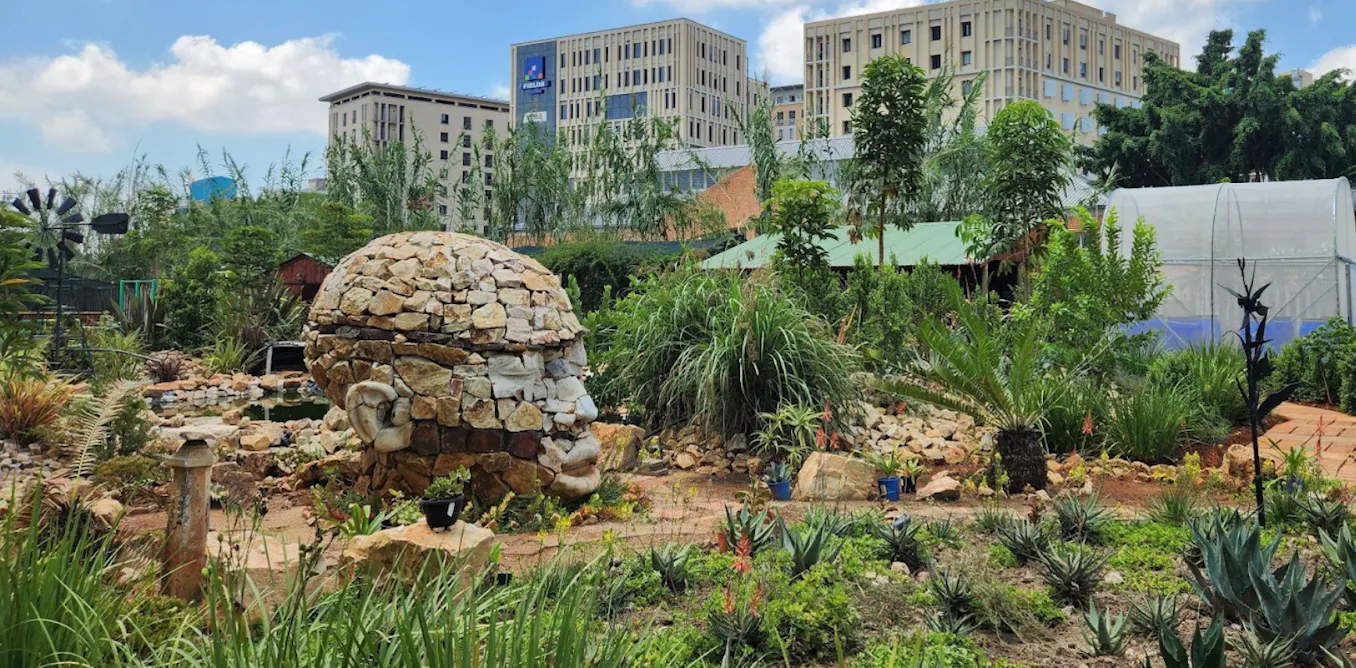
South Africa demonstrates that parks and community gardens serve dual purposes in urban climate resilience. These green spaces cool cities during heat waves, but their value extends far beyond temperature regulation.
The research shows that effective green infrastructure requires genuine community participation. Parks designed and managed solely by government agencies miss opportunities for lasting impact. When residents help plan, operate, and maintain these spaces, they develop stronger connections to their neighborhoods and build collective capacity to address climate challenges.
South African cities face intensifying heat stress, water scarcity, and flooding. Traditional top-down approaches to park management often fail because they ignore local knowledge and priorities. Community-led models produce different outcomes. Residents identify which areas need cooling most. They advocate for water-efficient plantings suited to local conditions. They establish informal networks for maintenance and emergency response during extreme weather events.
The process transforms how people think about climate adaptation. Rather than viewing it as something experts impose from above, communities see themselves as problem-solvers. A neighborhood garden becomes not just a food source but a place where residents learn about drought-resistant crops and water conservation. A renovated park becomes a gathering space where people discuss flooding risks and share coping strategies.
This approach offers lessons for cities worldwide facing similar climate pressures. The model works because it recognizes that adaptation happens at the neighborhood level. Government resources and planning matter, but sustained change requires buy-in from the people who live with the consequences daily.
Cities implementing community-centered green space programs report higher maintenance rates, broader civic participation, and more equitable distribution of climate benefits. Low-income neighborhoods typically receive fewer resources for urban greening. When communities lead design and management, they prioritize their own needs rather than following predetermined plans that may not reflect local realities.
South Africa's experience suggests that climate adaptation is not purely a technical problem. It is fundamentally