# Federal Counterterrorism Funding Restrictions Face Legal Challenge
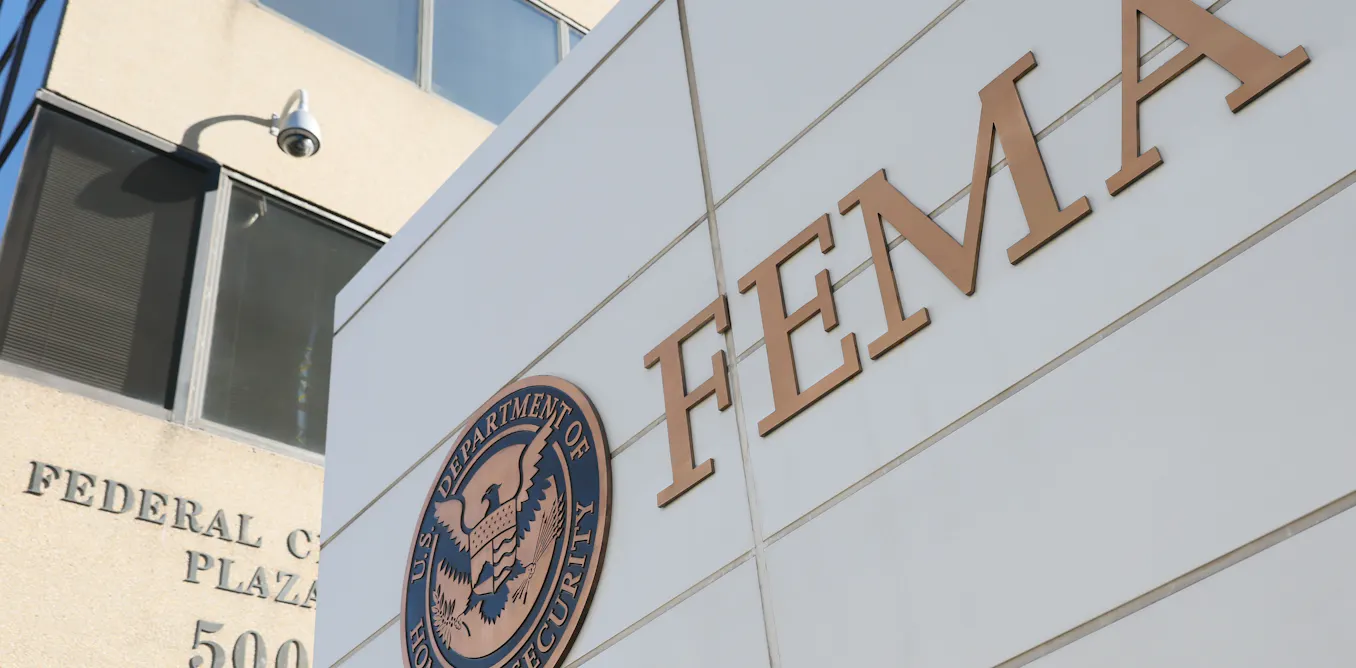
The Federal Emergency Management Agency has threatened to withhold federal counterterrorism funds from states, prompting legal scholars to question whether such actions face sufficient judicial oversight. The threat raises a fundamental question about executive power and conditional federal spending.
Legal experts argue that when executive branch agencies attach conditions to federal funds, courts should apply heightened scrutiny rather than deferential review. This position challenges the current legal framework that typically allows agencies broad discretion in administering federal grants.
The scenario centers on FEMA's authority to distribute counterterrorism preparedness funding. When agencies condition federal dollars on state compliance with specific policies or actions, they effectively leverage federal spending power to enforce regulatory preferences. Legal scholars contend this practice warrants closer examination by courts to protect state autonomy and ensure agency action remains within statutory limits.
Current doctrine often treats federal spending conditions leniently, following a framework established decades ago that presumes agency expertise and judgment. However, legal experts argue this approach gives insufficient weight to constitutional limits on federal conditional spending and the separation of powers between federal and state governments.
The Supreme Court has occasionally questioned overly coercive federal spending conditions, most notably in National Federation of Independent Business v. Sebelius, which struck down certain Medicaid expansion requirements. Legal scholars point to this precedent as evidence that courts can and should examine whether funding conditions improperly coerce state compliance.
FEMA's specific threat involves counterterrorism funding tied to compliance with federal directives. Legal experts contend that if such withholding lacks explicit statutory authorization or violates spending clause principles, courts should reject the agency action rather than defer to agency judgment.
The debate reflects broader tension between executive flexibility in emergency management and the principle that agencies must remain accountable to law. As courts increasingly scrutinize federal conditional spending, the outcome of FEMA's threatened