# How Scientists Link Extreme Weather to Climate Change
Scientists now use statistical models and observational data to determine whether climate change made specific heat waves, storms, and wildfires worse. A National Academy of Sciences report released recently examined the state of "extreme event attribution science," a field that has advanced rapidly over the past decade.
The core method works like this. Researchers run climate models twice: once with actual atmospheric conditions and once with a counterfactual scenario where human-caused climate change never occurred. By comparing the two simulations, they calculate the probability that an extreme event would have happened anyway versus how much more likely climate change made it.
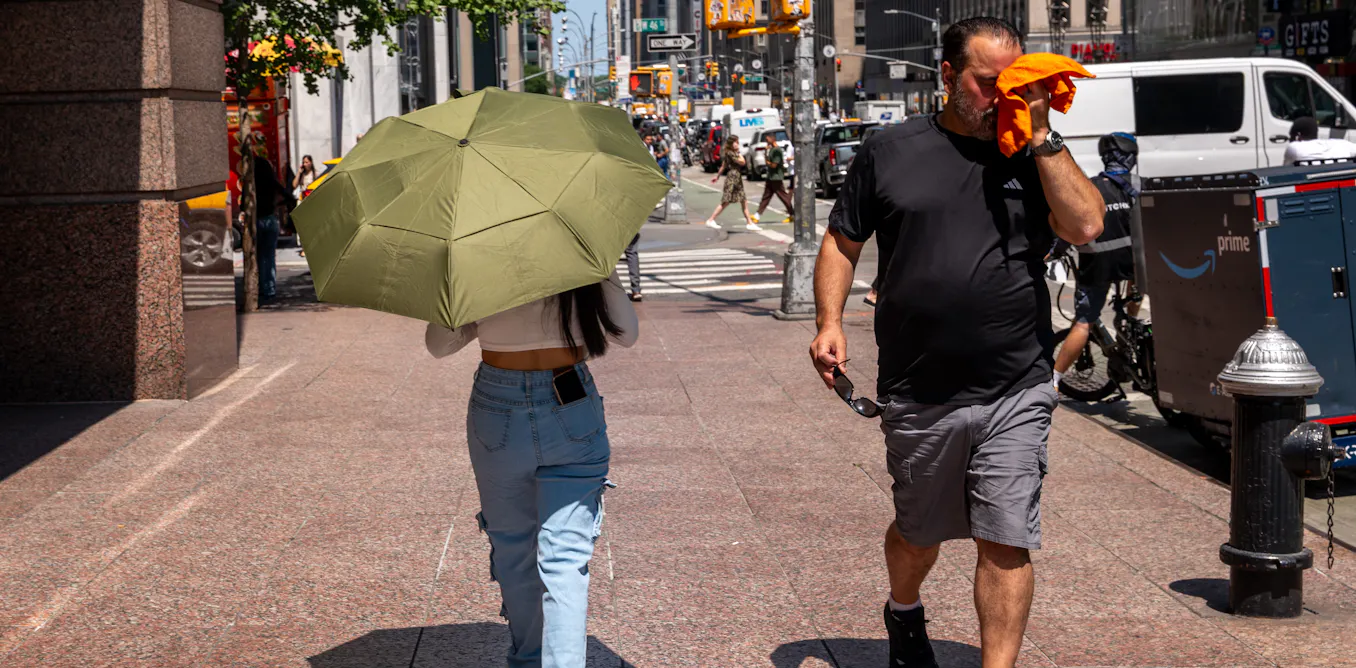
Heat waves present the clearest signal. Because human activities have raised global temperatures roughly 1.2 degrees Celsius since preindustrial times, heat waves now occur more frequently and reach higher peaks. Scientists can quantify this relationship with confidence. After a major heat wave, attribution studies often conclude within weeks whether warming amplified the event and by how much.
Hurricanes and other storms prove harder to assess. While climate change shifts the conditions storms form in (warmer oceans, altered wind patterns), the chaotic nature of atmospheric dynamics means pinpointing causation requires larger datasets and longer analysis timelines. Attributing individual storms remains difficult, though scientists can increasingly measure whether climate change made rainfall heavier.
Wildfires sit somewhere between. Warming has extended fire seasons and dried vegetation across many regions, clearly linking climate change to fire risk. But local factors like land management, drought history, and ignition sources complicate attribution of any single fire.
The National Academy report emphasizes that attribution science has moved beyond simple yes-or-no answers. Researchers now provide probabilistic statements: a heat wave was 5 times more likely because of climate change, or extreme rainfall increased by 15 percent. These quantified estimates help policymakers, insurers