# Finding the "Low Way": Reclaiming Creativity in Schools
Schools have progressively narrowed learning to measurable outcomes, leaving little room for the open-ended exploration that builds creative thinking. A new conversation in education circles centers on what educators call taking the "low way"—deliberately choosing slower, less linear paths through learning that prioritize discovery over standardized results.
The phrase comes from a parent's observation of how children naturally seek alternative routes, both literal and metaphorical. When a child asks to take the "low way" instead of the direct highway, she signals a preference for exploration, surprise, and agency in the journey itself. Applied to classrooms, this concept challenges the relentless focus on test scores and accountability metrics that have dominated K-12 policy since the 2001 No Child Left Behind era.
Research consistently shows that creative thinking requires space for experimentation, failure, and revision. Yet budget constraints, standardized testing pressures, and accountability frameworks force schools to optimize instruction for measurable gains. Teachers report spending less time on open-ended projects and more time on test preparation, particularly in high-poverty districts where federal funding tied to performance creates the strongest incentives to teach to assessments.
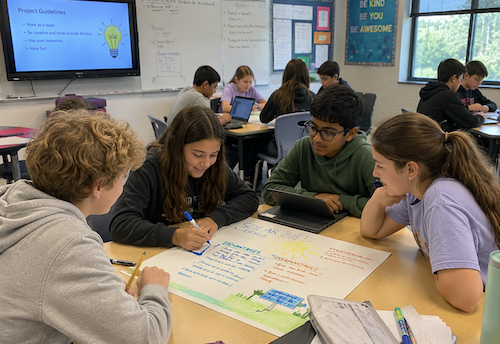
The case for reclaiming creativity gains traction as employers consistently report that critical thinking, problem-solving, and adaptability matter more than rote knowledge. Schools that have intentionally carved out space for student-directed inquiry, design projects, and creative problem-solving report gains in both engagement and long-term achievement. These schools did not abandon accountability but reframed it to include measures of creative output alongside test scores.
Teachers advocating for the "low way" do not argue against assessment entirely. Rather, they contend that assessment and accountability function best when paired with genuine intellectual exploration. Students need time to ask questions without predetermined answers, to revise work based on feedback, and to discover connections across