# Colorado Prepares for Return of Screwworm Pest After 60-Year Absence
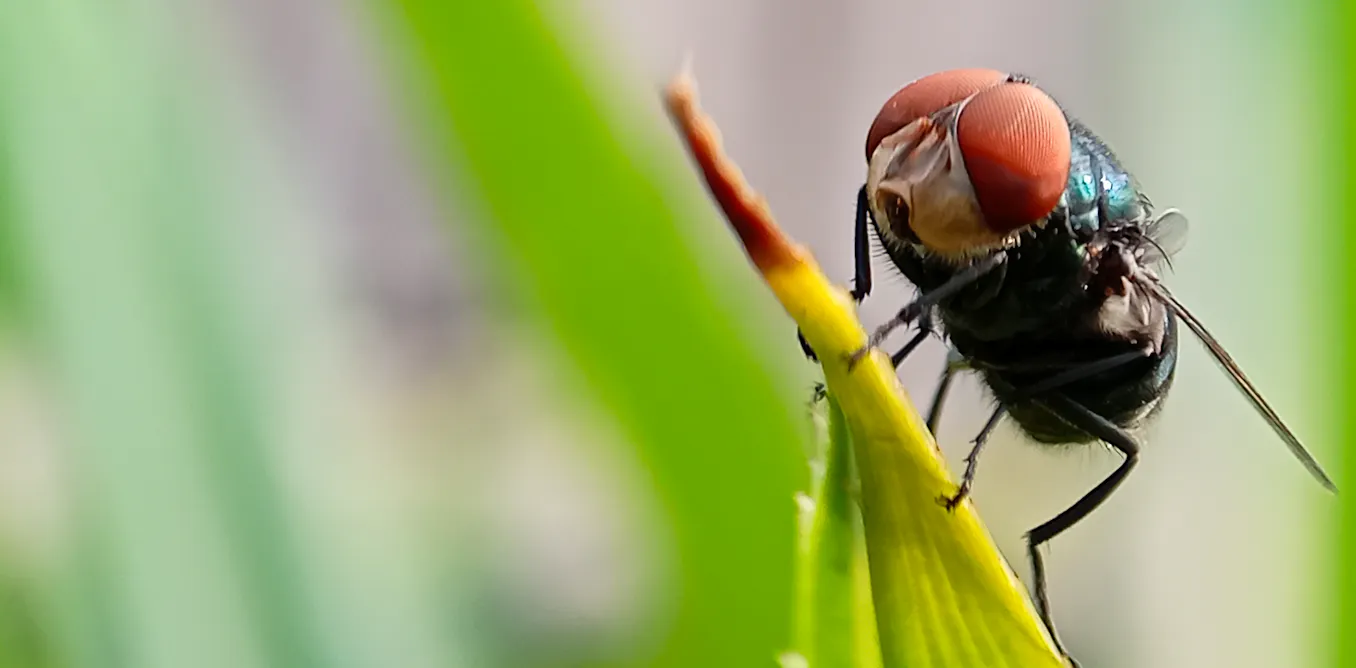
Colorado is mobilizing to prevent screwworm infestations after the parasitic pest reappeared in Texas and New Mexico following a 57-year absence from the United States. The screwworm, a fly larva that feeds on living flesh in open wounds of livestock and wildlife, was officially eradicated from the US in 1966 through an intensive federal program.
The Colorado Department of Agriculture and the US Department of Agriculture are coordinating surveillance and prevention efforts. Officials are warning ranchers and pet owners to report any suspicious wounds on animals, particularly cattle, sheep, and deer.
Screwworm larvae burrow into open wounds and can cause severe infections, tissue damage, and death if untreated. The infestation spreads rapidly in warm climates, making summer months especially dangerous. Animals can become infected through minor cuts, insect bites, or surgical wounds.
The original eradication campaign in the 1960s relied on the sterile insect technique, releasing millions of sterilized male flies across the southern US and Mexico. That program cost roughly $250 million in today's dollars but eliminated the pest from North America by 1966.
The recent resurgence likely stems from climate change and the pest's natural range expansion northward from Central and South America. Warmer temperatures allow screwworms to survive in regions previously too cold for transmission.
Colorado faces particular risk due to its large livestock industry and proximity to infested states. State officials are establishing quarantine zones, increasing inspections at livestock auctions, and educating ranchers about early detection. Interstate movement of cattle faces new restrictions.
Veterinarians stress that early treatment with appropriate insecticides and antibiotics can prevent serious outcomes. However, prevention through wound management and animal hygiene remains