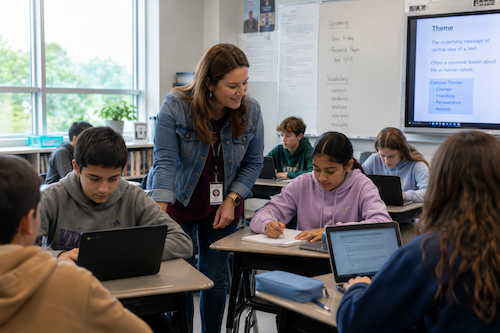
Teachers and school leaders face a persistent challenge each summer: identifying which instructional practices actually improve student learning. Research on the science of learning offers concrete guidance for this decision-making process.
The science of learning draws from cognitive psychology, neuroscience, and education research to identify teaching methods that stick. Core principles include spaced retrieval practice, which requires students to recall information over increasing time intervals rather than cramming. Interleaving mixes different types of problems during practice sessions, forcing students to discriminate between concepts. Elaboration asks students to explain ideas in their own words and connect new information to existing knowledge.
These evidence-based practices differ sharply from intuitive but ineffective approaches. Massed practice (drilling the same skill repeatedly in one session) feels productive but produces weaker long-term retention than spaced practice. High-variability training transfers learning better to new contexts than blocked practice of identical problems.
Implementation matters. Schools that introduce Science of Learning principles report better results when they pair training with coaching and feedback. Teachers need time to experiment with new strategies and collaborate on what works in their specific classrooms. One-off professional development sessions rarely shift practice; sustained support does.
Summer reading lists for educators increasingly feature books grounded in this research. Titles examine how memory works, why students forget, and how to design lessons that support lasting learning. School districts use summer break strategically, dedicating time to teacher book clubs and collaborative planning around these principles.
The payoff extends beyond test scores. Students who experience spaced retrieval and elaboration develop stronger metacognitive skills, learning how to study effectively. Teachers who apply these principles report greater confidence in their instruction and better classroom management, since students engage more deeply with material.
For teachers and administrators planning summer professional development, prioritizing the science of learning research creates leverage. Schools that build staff understanding of why these practices work, then support experimentation during the following school