# Reusable Cups and Climate Action: New Research Challenges the "Moral Licensing" Theory
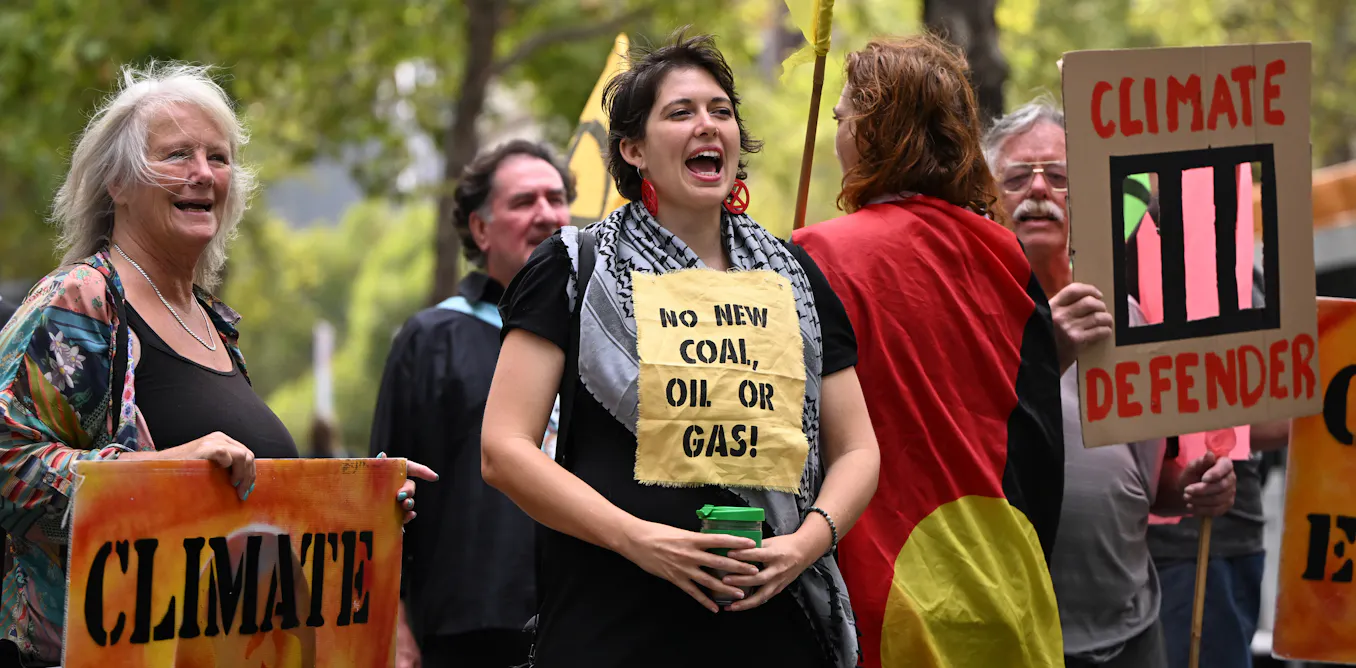
Researchers tracking 2,800 Australians over time found that using reusable cups does not reduce people's willingness to engage in climate activism. The study challenges a long-standing theory called "moral licensing," which suggests that small environmental actions make people feel they've done enough and therefore less likely to support larger systemic change.
The data shows a different pattern. Australians who adopted reusable cup habits remained just as engaged with climate advocacy as before. They continued supporting climate policies and participated in environmental activism at similar rates. Personal consumption choices did not create complacency about larger climate action.
This finding matters for both environmentalists and educators. It means that promoting small lifestyle changes—reusable cups, bags, water bottles—does not appear to undermine support for bigger policy solutions like carbon taxes or renewable energy investments. The two types of action operate independently rather than as substitutes.
The research also carries implications for how schools and communities frame environmental education. Teachers and administrators often encourage students to adopt sustainable habits as gateways to environmental consciousness. This study suggests those personal practices can coexist with political engagement without the smaller actions canceling out the larger commitment.
However, the research does not argue that individual actions alone solve climate change. Rather, it indicates they don't psychologically interfere with broader activism. Someone using a reusable cup remains available to advocate for systemic policy change.
The Australian findings align with growing evidence that personal environmental behavior and political climate action serve different purposes. One addresses individual consumption and daily choices. The other targets institutional and governmental decisions that affect emissions at scale.
For educators, the takeaway is straightforward: promoting sustainable habits in schools need not distract from teaching students about climate policy, fossil fuel regulation, or renewable energy systems. Schools can teach both without worrying