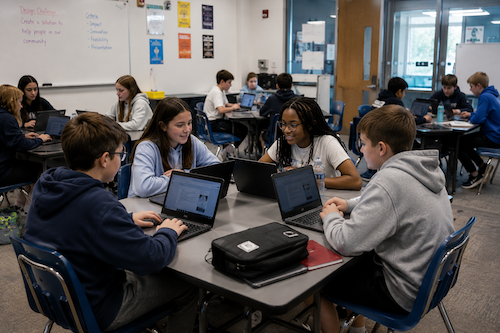
Middle schools across the United States face mounting pressure to prepare students for workforce success while developing essential life skills. A growing consensus among educators and policymakers centers on integrating career-connected learning into the middle grades, rather than waiting until high school to expose students to professional pathways.
Research demonstrates that career awareness during grades 6-8 shapes student aspirations and academic engagement. Students who gain exposure to diverse career options during middle school report higher motivation in core subjects and greater clarity about future goals. The shift reflects recognition that traditional siloed approaches to skill instruction fail to prepare students for jobs requiring both technical competency and what educators call "durable skills" like collaboration, problem-solving, and adaptability.
Effective models embed career exposure within existing curricula and extracurricular programs. Rather than adding standalone career units, schools weave workplace applications into math, science, and literacy instruction. Some districts partner with local employers to bring professionals into classrooms or host student visits to worksites. Others integrate project-based learning where students solve real-world problems similar to those encountered in various industries.
The approach benefits all students, not just those tracking toward vocational pathways. Middle-grade career exploration helps college-bound students understand how academic subjects connect to professional applications. It also provides earlier intervention for students who might disengage without seeing practical relevance in their coursework.
Implementation requires intentional design. Schools must ensure career exposure reflects the full spectrum of opportunities available to their communities, avoiding narrow stereotypes about gender and race in certain fields. Professional development for teachers becomes essential so they can facilitate meaningful career connections within their subject areas.
Districts beginning this work report increased student engagement and stronger connections between academic learning and future readiness. The key lies in moving beyond one-off career days toward systematic integration of career awareness and durable skills development throughout the middle grades experience. Students who develop these foundations early arrive at high school with clearer direction and