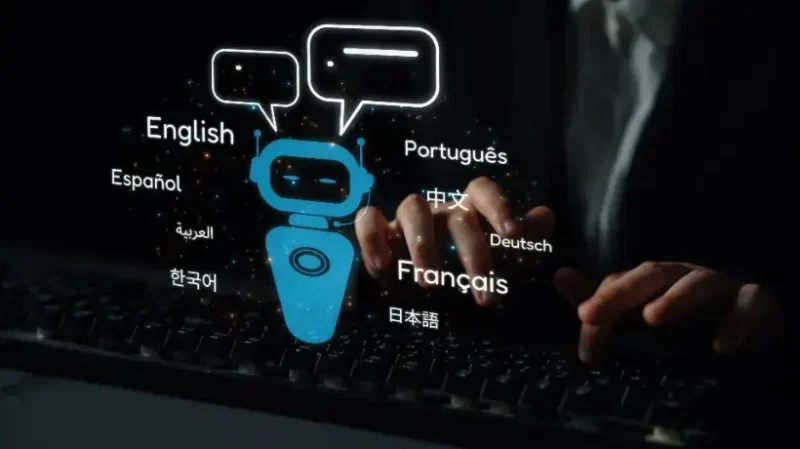
AI language tutors are filling a gap that traditional classroom instruction leaves open: the fear barrier that prevents learners from speaking freely. Usage data reveals that students avoid practice not because they lack opportunities, but because they hesitate to make mistakes in front of teachers or peers.
Companies deploying AI tutoring tools report that learners practice more frequently and with greater confidence when interacting with non-judgmental systems. The technology removes social anxiety from language acquisition, a psychological factor that classroom settings often amplify. Students can repeat conversations, stumble through sentences, and fail without performance pressure.
Six months of user data from the AI tutoring sector shows learners spend significantly more time practicing with AI tools than they do raising their hands in class or completing homework assignments. The practice gap persists not from scarcity of materials but from emotional friction in human interaction.
This finding reshapes the AI-in-education debate. Rather than positioning AI tutors as teacher replacements, evidence suggests they function as confidence builders and practice multipliers. Human language teachers excel at cultural context, nuanced grammar explanation, and motivation. AI tools excel at volume, repetition, and judgment-free interaction.
The most effective language learning programs combine both. Teachers design curriculum and provide accountability. AI tutors handle the low-stakes repetition that builds fluency. Students who fear speaking stop improving because they stop trying. AI removes that brake.
For language educators, this means AI integration isn't an existential threat but a resource allocation problem. Teachers can focus on advanced conversation, cultural nuance, and personalized feedback while AI handles foundational drills and confidence building. The practice gap closes not through replacement but through role specialization.
Schools adopting hybrid models report higher completion rates and faster proficiency gains than classrooms relying solely on human instruction. The data supports a straightforward conclusion: fear, not access, drives the practice deficit in language learning. Technology removes fear. Teachers