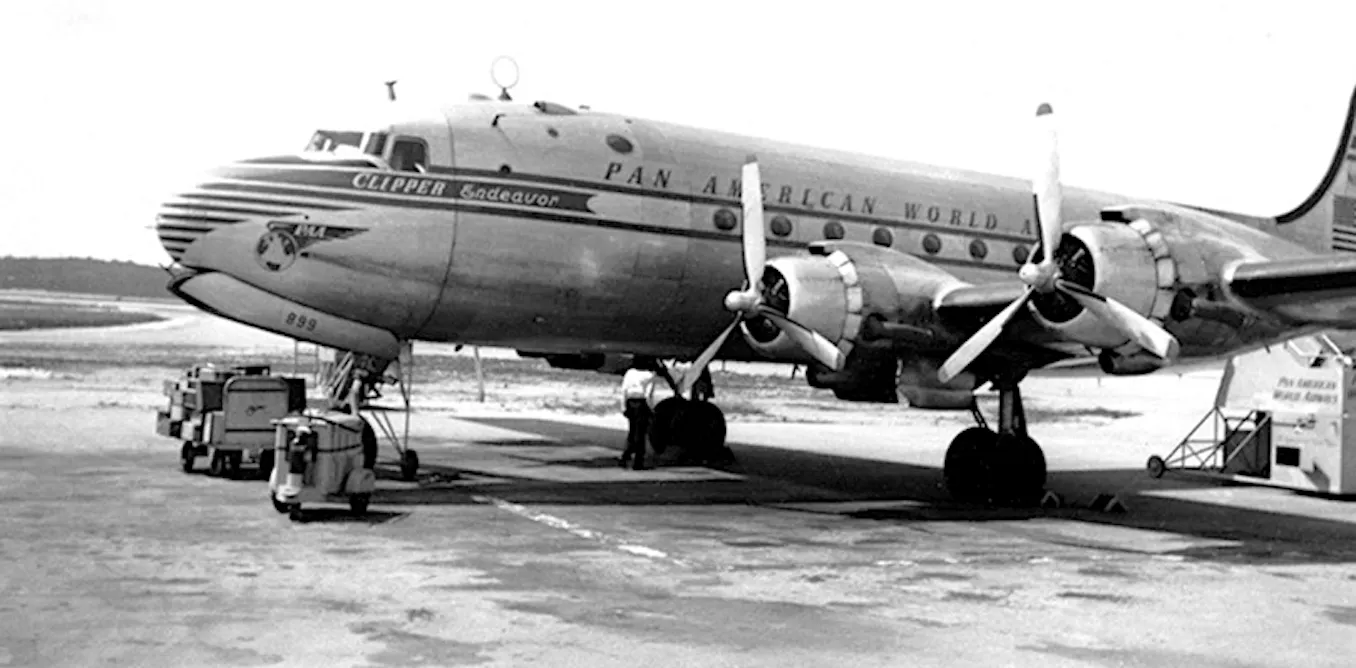
# Safety Lessons From a 1952 Disaster
A Pan American Airways flying boat crash in 1952 killed more than half its passengers not from impact, but from what happened after the plane hit the ocean. All 69 people survived the initial ditching, yet 52 died in the hours that followed.
The aircraft, a Martin M-130 Clipper, went down near Honolulu after structural failure. Survivors faced exposure, dehydration, and inadequate rescue coordination. The delayed response and poor survival conditions exposed critical gaps in airline emergency procedures and maritime rescue protocols.
This disaster fundamentally changed how the aviation industry approached passenger safety. Airlines revised evacuation procedures, improved life raft design, and enhanced crew training for water ditchings. The incident prompted better coordination between airlines and the U.S. Coast Guard for ocean rescues.
The crash also influenced aircraft design standards. Manufacturers strengthened fuselage structures and refined passenger cabin layouts to improve evacuation efficiency. Life vest requirements changed. Communication systems between aircraft and rescue services improved.
Today's commercial aviation safety record reflects lessons learned partly from this 1952 crash. Modern water survival protocols, emergency equipment regulations, and crew training standards all trace back to failures exposed that day in the Pacific.
The incident demonstrates why aviation safety improves through investigation and systemic change rather than luck. Even when planes stay intact during catastrophic events, what happens next determines survival rates. This crash showed that the most dangerous moment extends beyond impact into the hours of rescue and recovery.
For modern travelers, this history explains why flight attendants conduct mandatory safety demonstrations and why airlines maintain strict equipment standards. Those procedures exist because people once died waiting for rescue after already surviving the worst.