# Summary
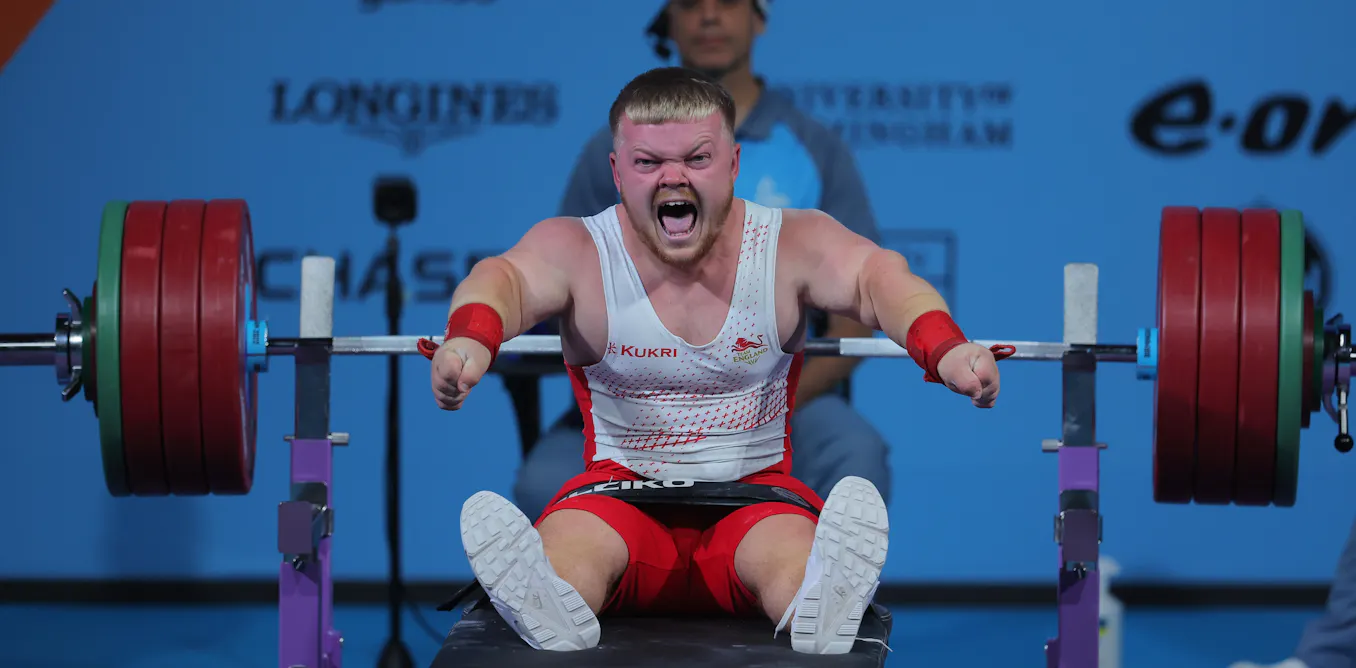
The Commonwealth Games stand out among major sporting events for treating para sports as integral rather than peripheral. Unlike the Olympic model, which separates Paralympic competition into a distinct event, the Commonwealth Games embed para athletes directly into the same program and venues as non-disabled competitors.
This integration matters for visibility and inclusion. Para athletes compete on the same stages, receive equivalent media coverage, and participate in opening and closing ceremonies alongside other athletes. The structure signals that disability sport belongs at the center of elite athletics, not on the margins.
The Commonwealth Games model has practical benefits. Para athletes access the same facilities, coaching infrastructure, and sponsorship opportunities as other competitors. Athletes train together, share accommodation, and build community across disability categories. Young para athletes see themselves represented at the highest levels of sport, potentially inspiring participation in their own communities.
This approach contrasts with traditional Olympic structures, where Paralympic Games occur separately, sometimes months later and in different locations. While the Paris 2024 Olympics made efforts toward greater integration, the Commonwealth Games have operated with this philosophy across multiple editions.
The evidence extends beyond optics. Countries hosting the Commonwealth Games often invest in accessible facilities and para sport development programs that benefit athletes long after the event ends. Australia, Canada, and other Commonwealth nations have used the Games as catalysts for building domestic para sport infrastructure.
The integrated model also influences sports governance. Disability sports organizations and mainstream sporting bodies work together year-round to prepare for Commonwealth competition, breaking down silos that often exist in Olympic preparation.
For para athletes, the Commonwealth Games represent validation that their sport deserves equal standing. This recognition drives recruitment, funding, and policy changes at national and international levels. The platform demonstrates that inclusion and excellence are compatible, not competing values.