# Citizen Science Networks Expand Wildlife and Environmental Monitoring
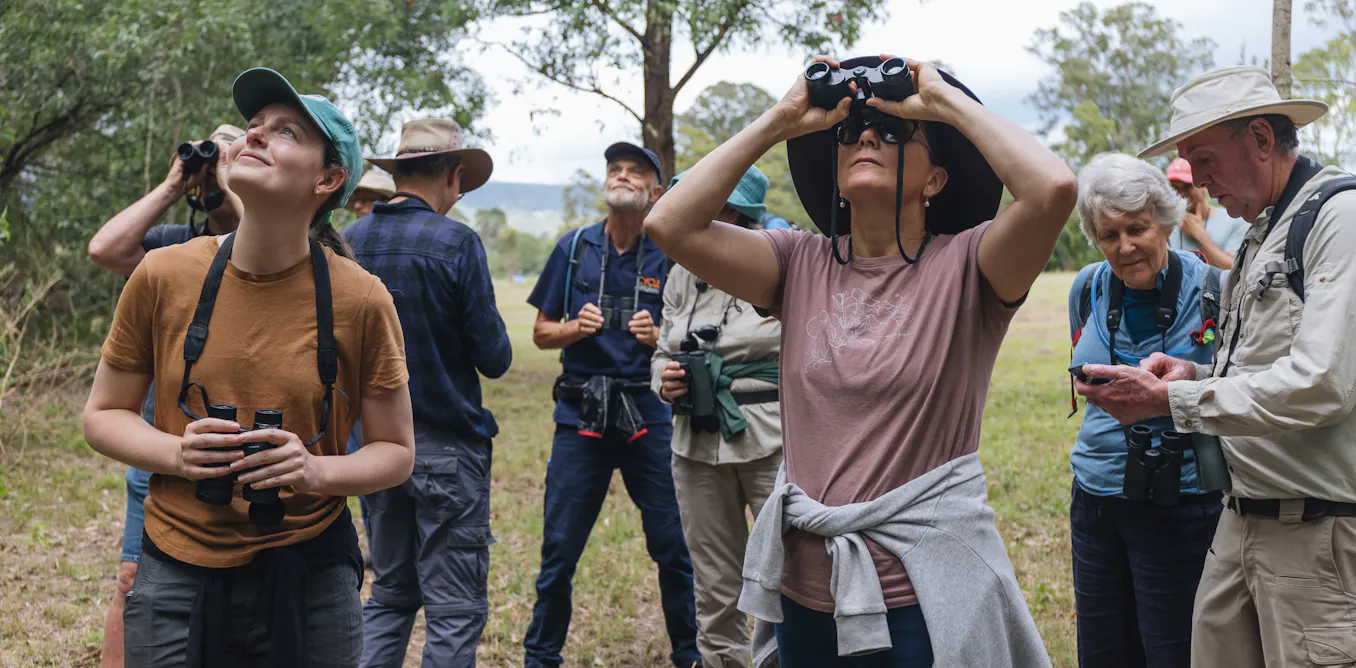
Scientists across the country are enlisting volunteers, retirees, and beachcombers to monitor wildlife populations, track environmental changes, and detect emerging threats like harmful algal blooms. This citizen science approach extends the reach of understaffed research teams and creates direct community engagement with conservation efforts.
Universities and government agencies now operate formal programs that train volunteers to collect data on species distribution, migration patterns, water quality, and ecosystem health. These networks transform casual observations into standardized datasets that inform policy decisions and early-warning systems for environmental threats.
The model addresses a practical problem. Traditional scientific monitoring requires funding, trained staff, and geographic coverage that institutions often lack. Citizen scientists fill those gaps. A retired teacher walking a beach daily can detect changes in bird populations that might take a research team months to document. Community volunteers testing water samples catch algal blooms before they become public health crises.
Programs like iNaturalist, eBird, and local beach monitoring initiatives provide training and smartphone tools that make data collection accessible. Participants upload photos and observations through apps that scientists verify and integrate into research databases. The approach has produced peer-reviewed publications and informed management decisions for threatened species from sea turtles to migratory birds.
The strategy also builds environmental literacy. Volunteers develop deeper understanding of local ecosystems and become advocates for conservation in their communities. Schools incorporate citizen science into curriculum, connecting students to real research that directly impacts policy.
However, data quality remains a consideration. Scientists must implement verification protocols to ensure accuracy. Training programs teach volunteers proper observation techniques and standardized methods that produce usable data.
State and federal agencies increasingly recognize citizen science as essential infrastructure for environmental monitoring. Budget constraints and staffing shortages make volunteer networks not optional but necessary for tracking biodiversity loss and detecting emerging environmental crises. As climate change accelerates ecosystem changes, the eyes and ears