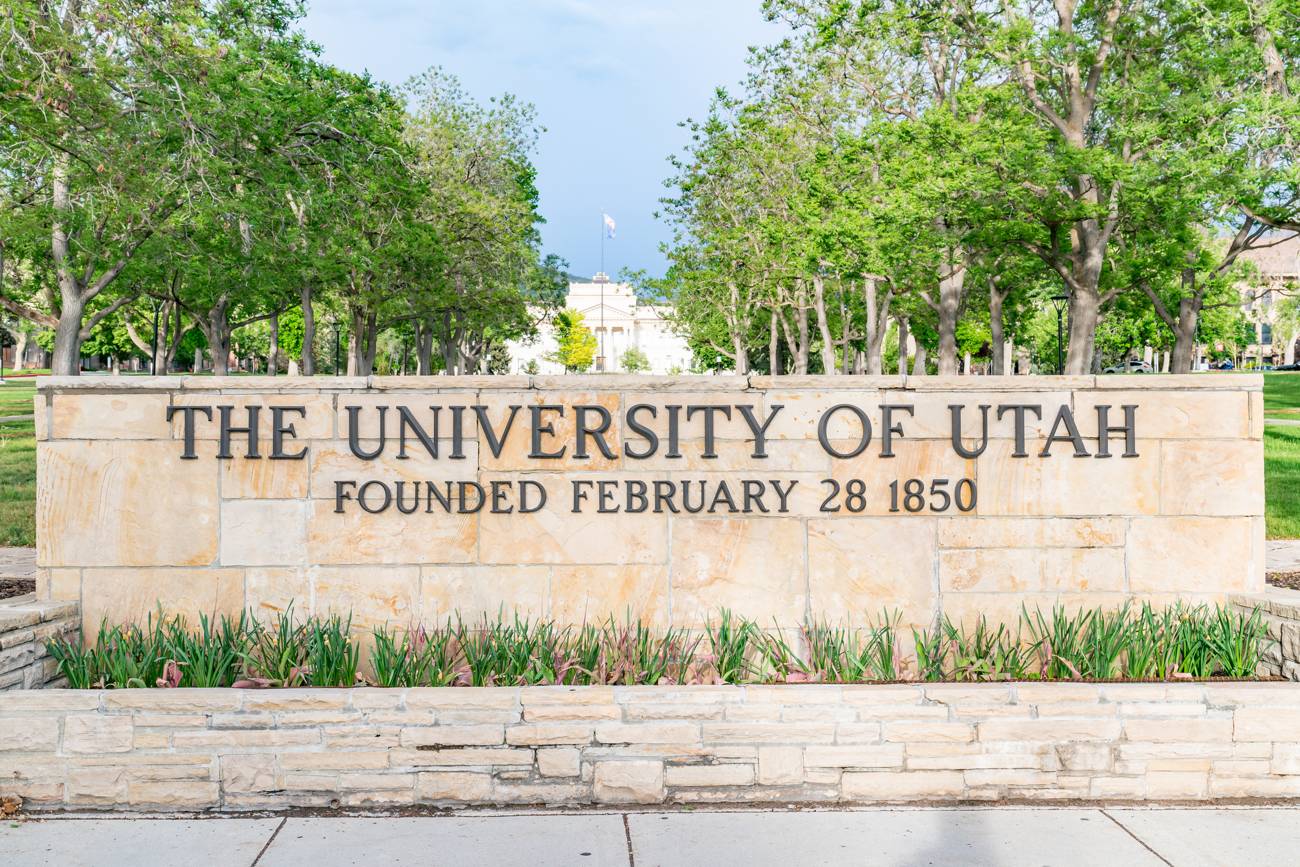
The University of Utah board of trustees has approved a new bachelor's degree in artificial intelligence, positioning the institution to offer Utah's first undergraduate AI degree if the state approves the program. The degree represents the university's response to growing demand for AI expertise in the workforce.
The program builds on existing computer science and engineering foundations at the university. Students will study core AI concepts including machine learning, natural language processing, and computer vision alongside mathematics and software engineering. The curriculum balances theoretical knowledge with practical applications, preparing graduates for roles in technology companies, healthcare systems, and other industries increasingly dependent on AI capabilities.
The approval reflects broader trends in higher education. Universities across the country are launching AI programs as employers struggle to find workers with relevant skills. Companies have reported difficulty hiring engineers and developers who understand machine learning and AI systems. Universities recognize this gap and are moving to fill it with dedicated degree programs rather than treating AI as a specialty within computer science.
Utah's approval process now moves to state governing bodies that oversee higher education funding and curriculum. These reviews typically examine whether new programs duplicate existing offerings, meet workforce needs, and align with institutional strengths. The University of Utah's strong engineering and computer science departments position the program well for approval.
The timing matters for students. High school graduates entering college in the next few years will find more AI-focused pathways available. The degree offers an alternative to general computer science programs for students specifically interested in artificial intelligence work. It also signals to employers that graduates possess specialized knowledge in a field reshaping multiple industries.
Other universities in Utah and across the region are likely watching this development. If approved, the program could prompt similar initiatives at Brigham Young University, Utah State University, and other institutions competing for talented students interested in technology careers.