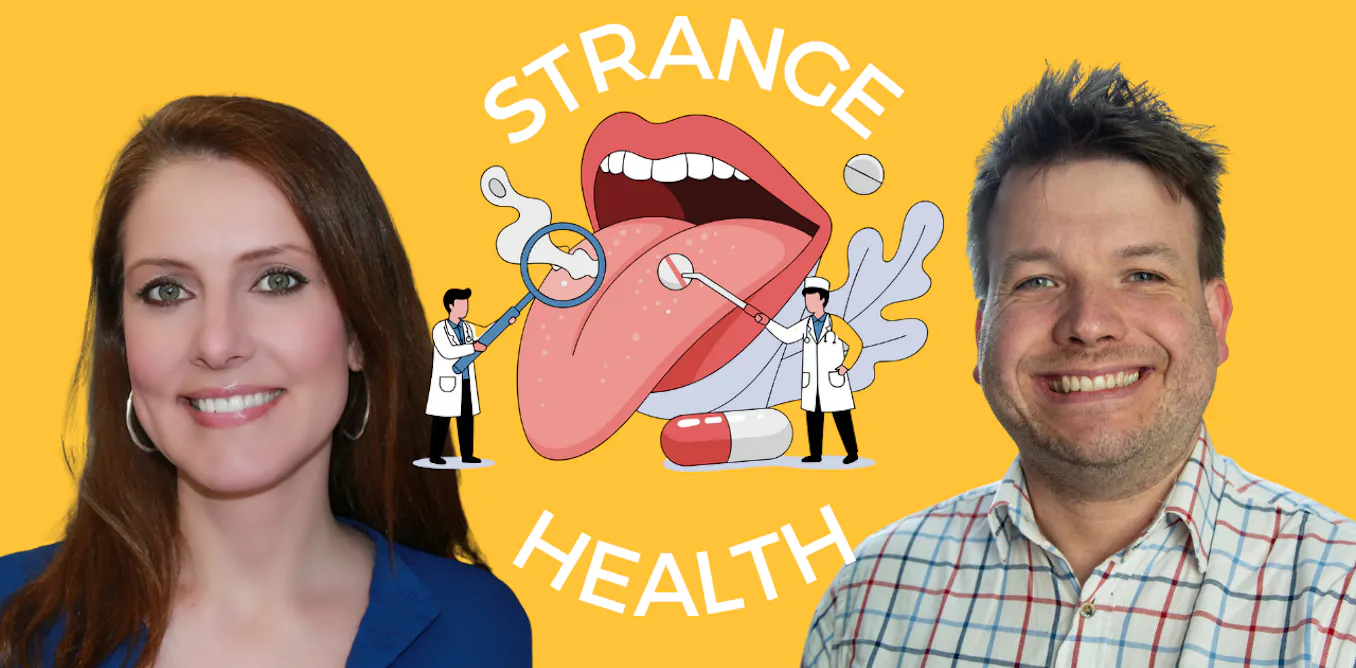
# Strange Health Podcast Wins Best Health and Wellbeing Award
Strange Health, a video podcast, has won recognition as the best health and wellbeing podcast. The award reflects growing interest in how podcasts serve educational functions beyond traditional classroom settings.
Podcasts have become increasingly relevant to education stakeholders over the past five years. Students use them for learning outside formal instruction. Teachers incorporate podcast content into lessons. Parents rely on them for accessible health information.
The Strange Health award signals that quality health communication through audio-visual formats reaches audiences seeking reliable wellness content. Video podcasts specifically combine audio storytelling with visual elements, making complex health topics more comprehensible.
This recognition matters for education because it demonstrates the podcast medium's capacity to deliver evidence-based health literacy to diverse audiences. Health education extends beyond school curricula into spaces where young people and families actually consume information. Podcasts occupy that space effectively.
The award also reflects standards for health communication quality. Content winning such recognition typically features credible sources, accurate information, and accessible language. These standards parallel expectations in formal health education programs.
For educators, the award validates podcast use as a supplemental learning tool. Health teachers increasingly assign or recommend podcasts that meet quality benchmarks. Students find podcast formats engaging compared to textbooks or lectures.
The broader context matters here. Health misinformation spreads easily online. Awards recognizing quality health podcasts help audiences distinguish reliable content from unreliable alternatives. This distinction carries particular weight when young people independently seek health information.
Strange Health's award positions the podcast within a growing landscape of digital health education resources. As students increasingly direct their own learning, the quality and accessibility of these resources shape health literacy outcomes.