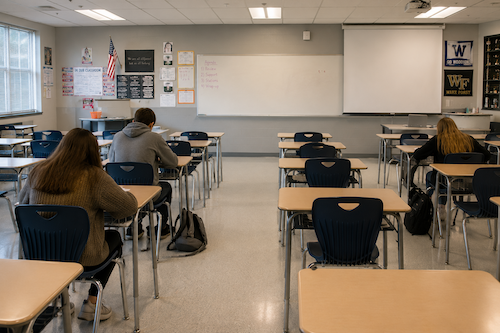
Schools across the country treat chronic absenteeism as a pure attendance issue, but research shows the problem runs deeper into students' emotional and social well-being. Districts need social-emotional learning (SEL) assessments to identify and address root causes before patterns become entrenched.
Chronic absenteeism, defined as missing 10 percent or more of school days, affects millions of students nationally. The problem accelerated after the pandemic, with many districts still struggling to bring attendance rates back to pre-2020 levels. Yet traditional attendance interventions often fail because they target the symptom, not the cause.
SEL assessments measure skills like emotional regulation, relationship-building, and self-awareness. When schools implement evidence-based SEL frameworks paired with attendance data, they can identify students experiencing anxiety, social isolation, or trauma before chronic absence patterns develop. Students struggling with these challenges frequently skip school as a coping mechanism, not from willful defiance.
Districts that integrate SEL tools into their attendance monitoring systems report better outcomes. By catching emotional distress early through SEL screenings, schools can connect struggling students with counselors, mental health services, or peer support programs. This approach addresses why students avoid school rather than simply punishing absence.
The data matters. Students with high SEL competencies show stronger attendance patterns. Conversely, students with unmet emotional needs exhibit higher absenteeism rates. Yet most districts lack systematic ways to measure these connections.
Implementing SEL assessments requires investment in training teachers to administer tools, interpret results, and respond appropriately. It also demands coordination between attendance offices, counselors, and administrators. Some districts use validated SEL instruments like the Devereux Student Strengths Assessment or CASEL-endorsed screeners.
Schools that delay this work risk deepening educational inequities. Chronic absenteeism clusters in high-poverty communities,