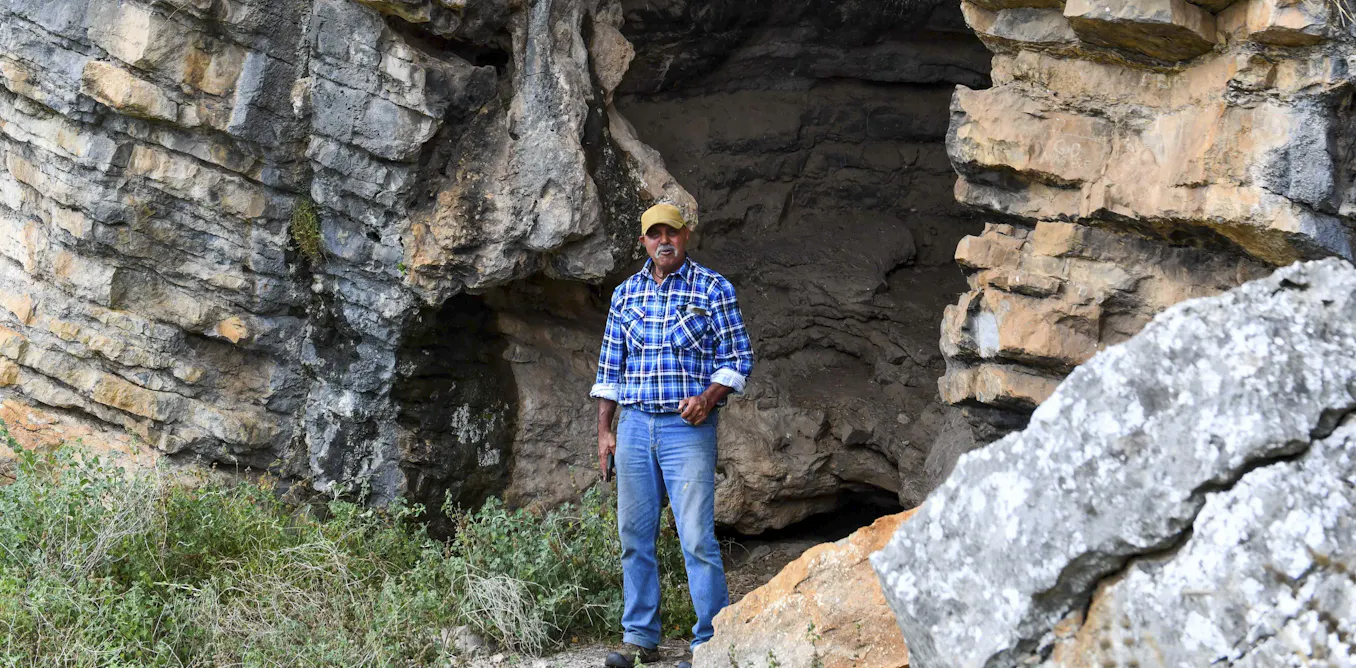
# Microscopic Plant Remains Show 25,000 Years of Indigenous Ritual Practice in Victorian Cave
Researchers analyzing microscopic plant remains from a cave in Victoria have uncovered evidence of continuous GunaiKurnai ritual use spanning 25,000 years. The study reveals the cave served exclusively ceremonial purposes rather than functioning as a permanent settlement.
Scientists examined pollen, phytoliths (microscopic silica structures from plants), and charcoal deposits extracted from deep within the cave. These botanical markers provided a detailed record of human activity patterns across millennia. The data showed cyclical use tied to specific seasonal and ceremonial occasions, not habitation.
The cave's location in traditional GunaiKurnai country of southeastern Victoria makes this finding particularly significant for Indigenous heritage documentation. The consistent pattern of ritual use across 25,000 years demonstrates sophisticated land management and cultural continuity. Researchers worked with GunaiKurnai community members to interpret findings through both scientific and cultural knowledge frameworks.
This work exemplifies how paleoecology, the study of ancient ecological relationships, can reveal Indigenous knowledge systems and land practices invisible in the archaeological record. Traditional excavation methods often miss botanical evidence entirely. Microscopic analysis recovered plant materials that indicated specific gathering practices, fire management, and ceremonial protocols.
The study appears in research published through The Conversation, an outlet where academics communicate findings to broader audiences. The research team documented how plant selection and burning patterns remained remarkably consistent across millennia, suggesting transmitted knowledge and intentional cultural practices rather than random occupation.
Cave sites across Australia hold growing importance for Indigenous communities reasserting land rights and cultural authority. This research demonstrates how scientific collaboration with traditional knowledge holders produces richer understanding of pre-contact Indigenous societies. The findings support growing recognition that Australia's Indigenous peoples actively shaped and managed landscapes for tens of thousands of years through deliberate, sophisticated practices.
CATEGORY