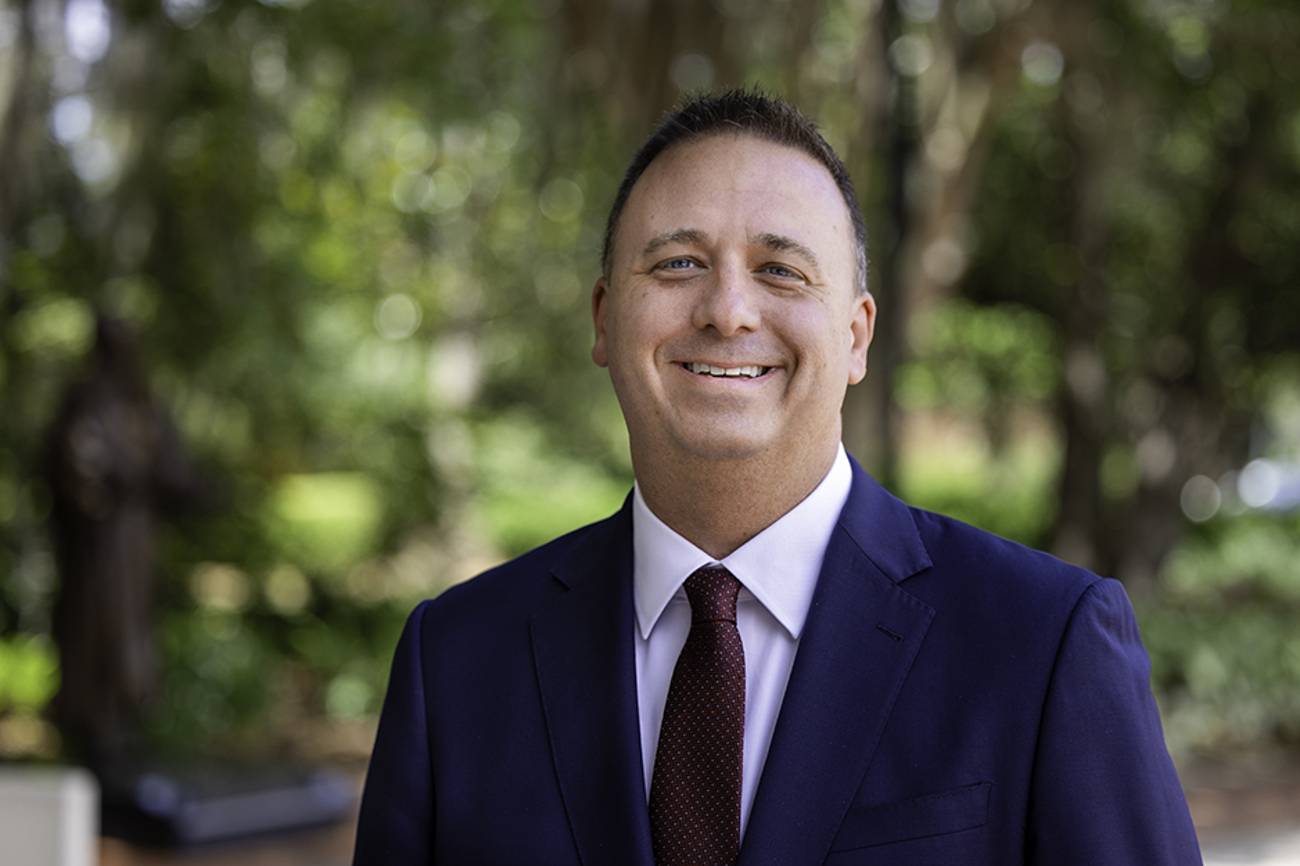
Florida State University appointed Jonathan Fozard as chief information officer, a role overseeing the institution's technology strategy and operations. Fozard brings more than 20 years of higher education technology experience to the position.
The CIO role carries broad responsibility for campus information systems, data management, cybersecurity, and digital infrastructure. At a major research university like FSU, the position involves managing complex IT operations that support thousands of students, faculty, and staff across multiple campuses and online programs.
Fozard's appointment comes at a time when universities face mounting pressure to modernize aging technology systems, strengthen cybersecurity defenses against rising threats, and support hybrid and remote learning environments. Higher education institutions increasingly rely on robust IT infrastructure to deliver instruction, conduct research, and manage administrative functions.
FSU, the state's second-largest public university by enrollment, operates extensive technology systems serving roughly 42,000 students. The university has invested in campus technology upgrades and digital transformation initiatives in recent years.
CIOs in higher education typically oversee enterprise resource planning systems, learning management platforms, network security, and help desk operations. They balance budget constraints with technology modernization demands while ensuring systems remain reliable and secure.
Fozard's two decades in university technology leadership positions him to address FSU's IT priorities, which likely include managing cloud services, supporting faculty and student technology needs, and protecting sensitive research and student data. His appointment reflects FSU's commitment to maintaining competitive technology infrastructure within Florida's public university system.
The hiring follows broader movement in higher education to elevate technology leadership roles as universities recognize that digital infrastructure directly impacts institutional competitiveness, student outcomes, and operational efficiency.