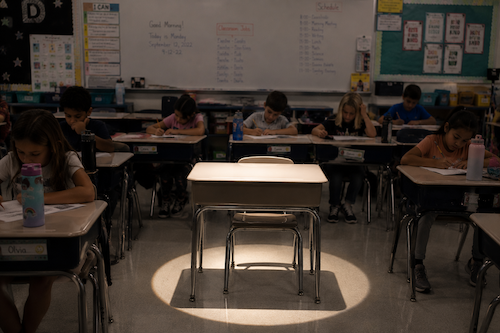
Chronic absenteeism signals deeper problems in schools, not a problem to be solved through stricter attendance policies alone, according to education leaders. The distinction matters because punitive approaches miss the root causes driving students to stay home.
Schools across the country report rising chronic absenteeism rates, defined as students missing 10 percent or more of school days in a year. Rather than responding with enforcement, experts argue schools need to diagnose why students disengage. When a student's attendance drops, it reflects unmet needs: unstable housing, food insecurity, mental health struggles, family responsibilities, or a sense of not belonging at school.
Attendance data becomes actionable only when schools treat it as a diagnostic tool. A pattern of absences on specific days or after particular incidents points to concrete problems. A student missing school after conflict with peers needs social-emotional support and peer connection, not detention. A student absent on Mondays might face transportation barriers or weekend caregiving duties requiring transportation solutions, not stricter rules.
This reframing shifts accountability from students and families to schools. Leaders must ask what their buildings offer that makes students want to return. Research on school belonging shows students attend consistently when they feel valued, when teachers know them by name, and when they see themselves reflected in curriculum and leadership.
Schools implementing this approach prioritize early outreach, relationship building, and problem-solving with families. Some create attendance teams that investigate absences, connect students to support services, and remove barriers rather than impose consequences. Others train teachers to strengthen classroom belonging and student-teacher relationships, which research shows predicts attendance more reliably than policies.
The attendance crisis reflects a systems failure, not student failure. When large numbers of students stay away, schools have stopped being places students choose to be. Stricter policies compound the problem by deepening disconnection. Chronic absenteeism drops when schools invest in the infrastructure of belonging