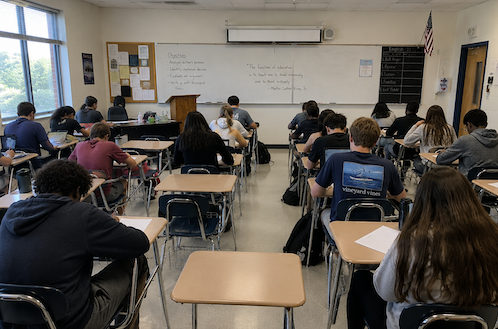
# Summer Programs Emerge as Critical Tool Against Chronic Absenteeism
Schools across the country are shifting their absenteeism strategy. Rather than waiting until fall to address attendance problems, districts now recognize that summer offers a pivotal window to reconnect disconnected students and prevent chronic absence from taking root in the new school year.
Chronic absenteeism, defined as missing 10 percent or more of school days, has become a persistent challenge. Post-pandemic data shows the problem has worsened across most districts. Students who miss significant school time fall behind academically, disengage socially, and face higher dropout risk.
The summer approach targets prevention directly. Districts use June and July to maintain contact with chronically absent students through phone calls, home visits, and targeted outreach. Summer enrichment programs serve double duty: they keep students academically engaged while building relationships with staff and peers. These interactions signal to families that the school cares about their child's presence and progress.
The strategy rests on a human-centered premise. Absenteeism stems from complex causes including transportation barriers, housing instability, health issues, family obligations, and disconnection from school. A single intervention rarely works. Instead, successful districts combine multiple touchpoints: community partners identify barriers, social workers connect families to resources, and staff build genuine relationships before the pressure of grades and attendance policies kicks in.
Summer programming also provides diagnostic value. Schools identify which students face recurring obstacles to attendance and develop individualized plans before school starts. A student with childcare gaps might connect with a community program. A teen with anxiety might meet counselors during lower-pressure summer sessions.
The effort requires sustained commitment and resources. Staff time, transportation, meal programs, and partnership coordination all cost money. Districts that prioritize this work tend to report modest but measurable improvements in fall attendance rates and stronger early engagement.
The implicit message is clear: attendance