# Italy's COVID Victims Push for Accountability on Health Governance
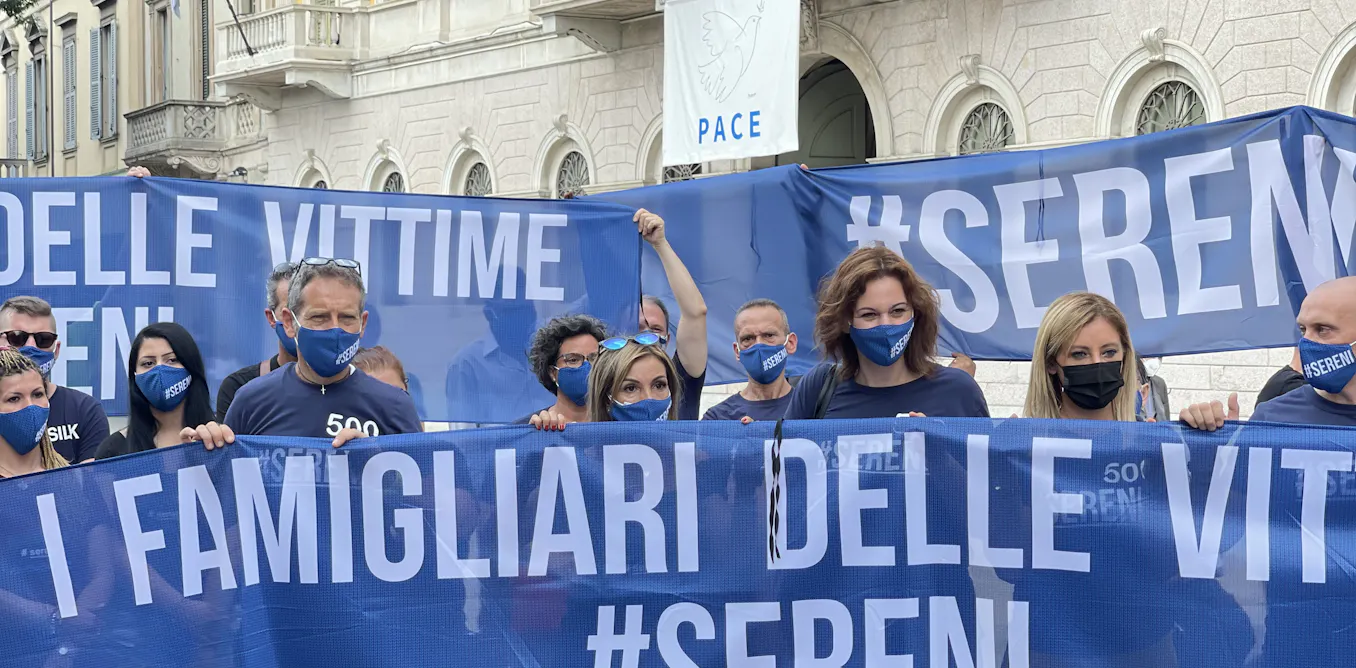
Six years after the pandemic devastated Italy, a victims' association has secured a lobbying victory that exposes systemic failures in how the country managed the health crisis. This achievement matters because it establishes a framework for holding governments accountable when public health responses fail.
Italy was Europe's first major COVID hotspot in early 2020. Hospitals in the Lombardy region became overwhelmed within weeks. Thousands died. The country's health infrastructure, already strained by decades of underinvestment, buckled under the pressure. Decisions made at regional and national levels during those critical months shaped outcomes across the continent.
The victims' association pursued formal action against these governance failures rather than accepting them as inevitable costs of an unprecedented emergency. This approach succeeded. The victory signals that accountability for pandemic decision-making remains possible even years later, when public attention has shifted elsewhere.
What makes this precedent valuable extends beyond Italy. Across Europe and globally, governments face ongoing questions about pandemic response choices. Why were certain regions hit harder? Were resources allocated equitably? Did authorities act on available data quickly enough? These questions remain contested in many countries. Italy's case demonstrates that sustained pressure from affected communities can push institutions to examine these decisions.
The lesson for educators and policymakers is clear: health crises reveal how systems function under stress. Italy's experience showed that long-term disinvestment in public health capacity creates cascading failures. Schools closed. Learning disrupted. Vulnerable populations faced compounded risks.
This victory also matters for students and young people studying public health, governance, and epidemiology. It provides a real case study in how institutional accountability works, or doesn't work, when communities organize around evidence and demand answers.
For Italian families who lost people during those early months, this action represents recognition that something went wrong and that documentation matters. For