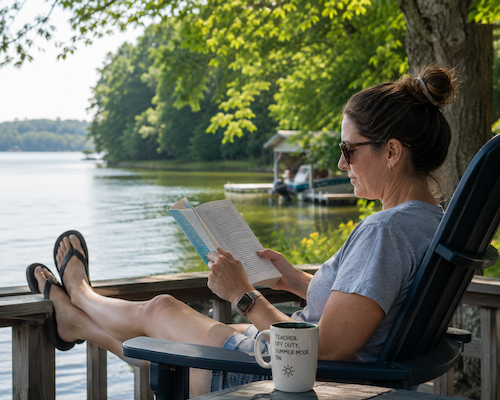
Teachers face a unique challenge during summer break. The end of the school year brings relief but also exhaustion after months of emotional and physical investment in students. Summer offers a rare window for educators to prioritize self-care and professional renewal before the next academic year begins.
Rest forms the foundation of summer recovery. Teachers who have spent nine months managing classrooms, grading papers, and responding to student needs benefit from genuine downtime. This means stepping away from work email, lesson planning, and school-related tasks. Quality sleep, physical activity, and time away from screens help educators restore energy depleted during the academic year.
Reflection enables teachers to process their experiences and identify growth areas. Effective reflection examines what worked in the classroom, which teaching strategies resonated with students, and where challenges emerged. Journaling, peer conversations, or formal professional reflection structures help teachers extract lessons from the year and build on successes. This practice informs teaching improvements without adding burden.
Recharge activities reconnect educators with interests outside teaching. Summer presents time for hobbies, travel, family time, or skill development unrelated to the classroom. These pursuits restore motivation and provide fresh perspectives that teachers bring back to their practice.
Professional development during summer can feel restorative rather than obligatory when chosen intentionally. Teachers selecting workshops, conferences, or courses aligned with their interests approach learning as growth rather than requirement.
Community connection matters too. Time with colleagues, family, and friends provides social support and reduces the isolation many teachers experience. Informal gatherings with other educators normalize shared challenges and foster belonging.
The combination of rest, reflection, and recharge positions educators to enter the next school year healthier and more purposeful. Summer break serves not as escape but as intentional recovery that sustains long-term teacher wellbeing and effectiveness. Schools and districts that recognize summer as essential to educator sustainability support retention and create conditions for teacher success throughout