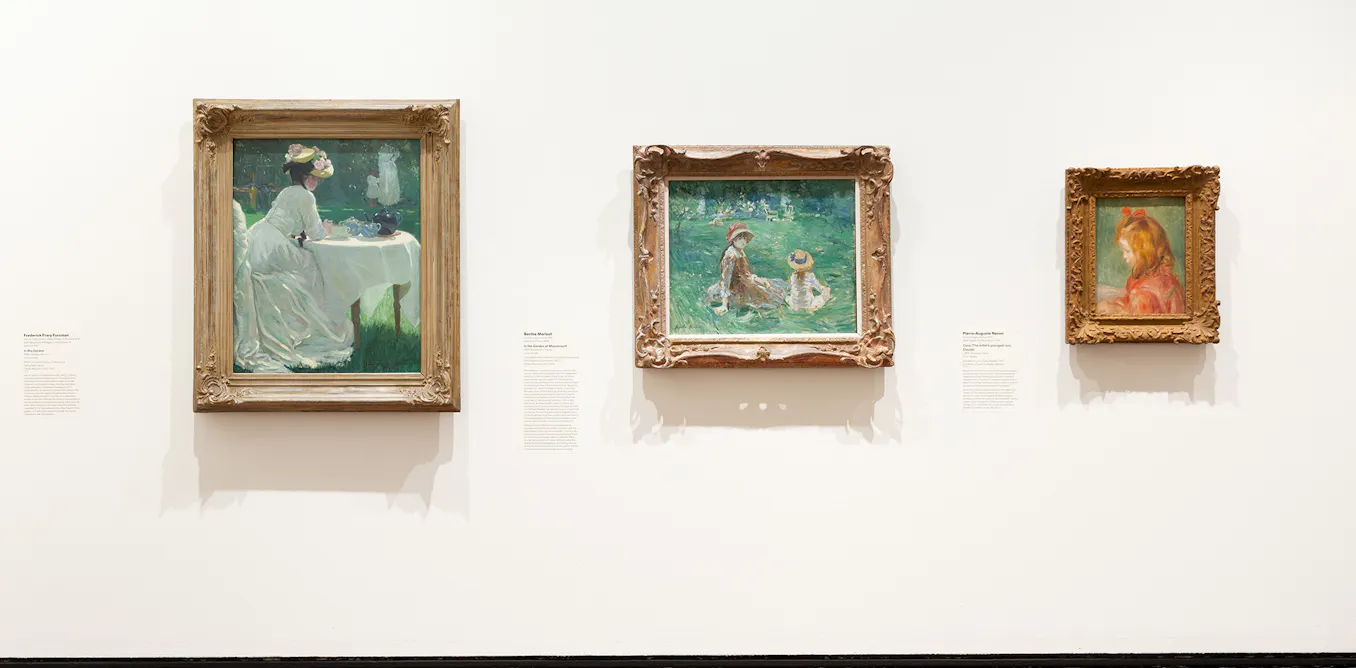
The Art Gallery of South Australia is hosting "Monet to Matisse: Defying Tradition," an exhibition touring from the Toledo Museum of Art in Ohio. The show traces the evolution of Western art movements from impressionism through abstract expressionism, examining how artists challenged and redefined artistic conventions across decades.
The exhibition spans work from Claude Monet and other impressionists who broke from academic tradition in the late 19th century, through to abstract expressionists of the mid-20th century. By presenting this arc, the show demonstrates how each generation of artists built on, rejected, or transformed the rules their predecessors established. The Toledo Museum curated the collection to highlight moments when artists deliberately stepped outside accepted boundaries.
Impressionists like Monet pioneered looser brushwork and emphasized light and color over precise representation, shocking conservative art institutions. Later movements including fauvism, cubism, and abstract expressionism continued this pattern of defiance. Henri Matisse appears in the title because his work bridges multiple eras, showing how individual artists could evolve and adapt within changing artistic contexts.
For students and educators, the exhibition offers concrete examples of how artistic innovation functions. Rather than presenting art history as a simple timeline, the show invites visitors to see the deliberate choices artists made when challenging prevailing tastes and market pressures. The tour from Ohio to Adelaide also highlights how major art institutions share collections internationally, giving audiences outside traditional art centers access to canonical works.
The exhibition runs at the Art Gallery of South Australia and provides context for understanding how artistic movements emerge not through accident but through conscious experimentation and sometimes outright rebellion against establishment standards. Visitors encounter original works that defined entire movements, allowing direct engagement with the objects that changed how people see and make art.