# Australians Prioritize Terrorism and Cyber Threats Over Traditional Warfare
Australians view terrorism and cyberattacks as greater threats than conventional military conflict, according to new survey research. The findings emerge following the Bondi Junction stabbing attack in 2024 and reflect broader anxiety about evolving security challenges.
The research captures a shift in how Australians perceive national danger. Traditional military threats rank lower in public concern than targeted attacks on civilians and digital infrastructure. Cyberattacks represent a particularly acute worry, given Australia's increasing dependence on interconnected systems for finance, energy, and government services.
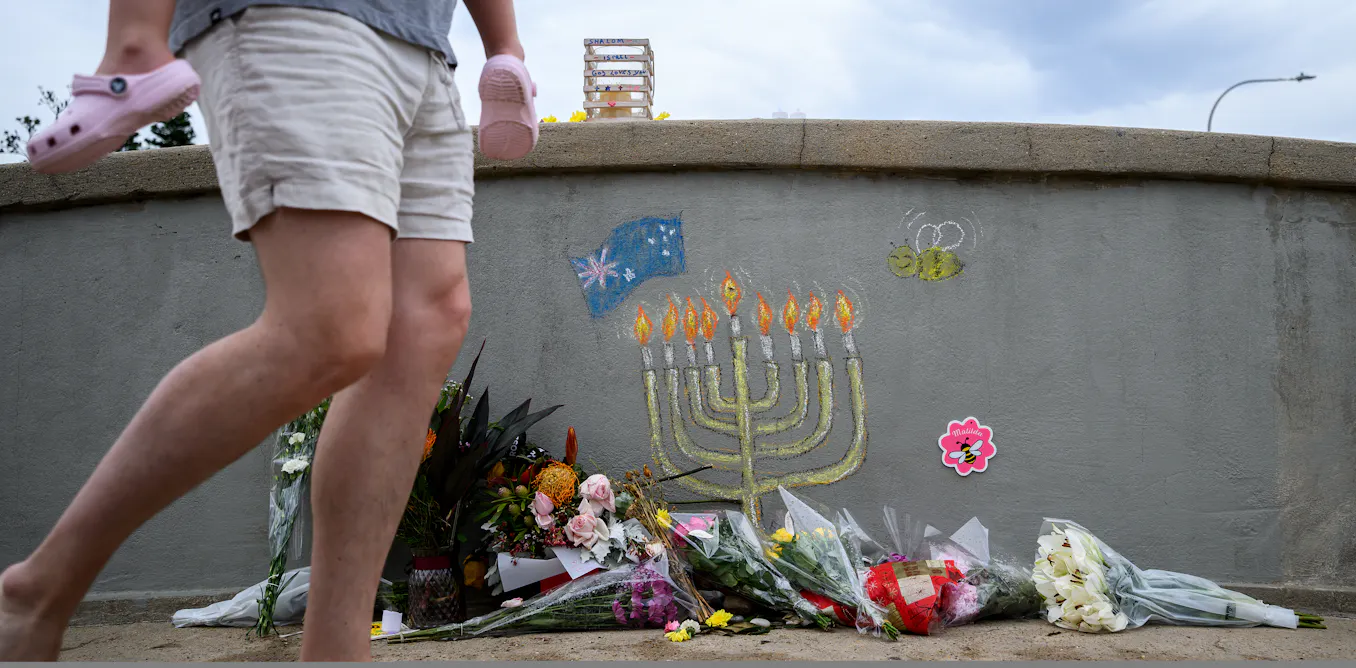
The Bondi attack, which killed six people and wounded several others, appears to have intensified public focus on lone-actor terrorism and mass casualty incidents. This reflects a pattern seen globally where visible, localized attacks shape threat perception more directly than distant geopolitical tensions.
Survey respondents expressed concern about Australia's vulnerability to both physical attacks and digital infiltration. Cybersecurity experts have warned that critical infrastructure faces growing risks from state and non-state actors. Australia's government networks, banking systems, and power grids remain potential targets.
The research carries implications for national security policy. When public concern diverges from official threat assessments, policymakers face pressure to address perceived dangers. This can influence budget allocation, policing priorities, and public messaging about security risks.
Education institutions have also noted increased focus on cybersecurity curriculum and awareness programs. Schools report growing demand for digital safety training among students and staff.
The survey demonstrates how a single high-profile attack can reshape public discourse around security. It also highlights the challenge facing government communicators in balancing legitimate threats across multiple domains. Australians appear to view their environment as increasingly complex and threatening, with danger emanating from unpredictable individual actors and sophisticated digital adversaries rather than conventional adversaries.
CATEGORY