# What Higher Ed Can Do About Getting Research Into the K-12 Classroom
A persistent gap separates educational research from K-12 classroom practice. Universities generate studies on learning, curriculum design, and teaching methods, yet teachers and administrators rarely encounter these findings in actionable form.
The disconnect stems from structural isolation. Higher education institutions conduct research within academic silos. K-12 systems operate under time and resource constraints that leave little room for literature review or research translation. Universities publish in peer-reviewed journals aimed at scholars, not practitioners. Teachers cannot easily access paywalled studies, and when they do, the language and methodology often feel disconnected from daily classroom realities.
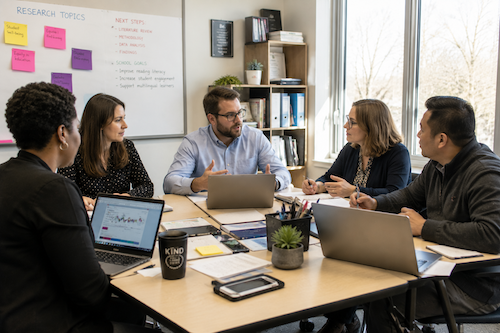
Closing this gap requires deliberate action from colleges and universities. Research institutions must translate findings into accessible formats. Infographics, brief summaries, and practitioner guides make studies usable. Universities can establish partnerships with local school districts, creating two-way communication channels. Faculty conducting classroom-based research benefit from direct access to student populations and real-world feedback.
Higher ed institutions can also train researchers explicitly in knowledge translation and dissemination. Graduate programs rarely teach scientists how to communicate findings to non-academic audiences. Adding these skills changes outcomes.
Universities can incentivize outreach and practice-focused work. Promotion and tenure systems traditionally reward publication quantity over community impact. Elevating engagement metrics and community partnerships encourages faculty to bridge the divide.
Professional development partnerships amplify reach. Universities hosting teacher workshops, summer institutes, and online learning communities distribute research directly to educators seeking solutions for specific problems. When teachers help shape research questions from the start, findings naturally align with classroom needs.
Some institutions have begun this work. Networks connecting researchers with practitioners, funded dissemination initiatives, and collaborative grant programs show measurable results. These models prove that university-school partnerships work when both parties hold equal standing and voice.
The payoff extends beyond class