# Finding the "Low Way": Reclaiming Creativity in Schools
A parent's simple question about taking an unfamiliar route becomes a metaphor for how schools have abandoned creative exploration in favor of standardized testing and rigid curricula.
The "low way" represents a detour. It means choosing the longer path, the one with unexpected discoveries, the route that rewards curiosity over efficiency. Schools have increasingly abandoned this approach.
Over the past two decades, accountability measures tied to standardized assessments have compressed classroom time. Teachers face pressure to teach to tests. Arts programs shrink. Open-ended projects get replaced by worksheets aligned to narrow learning objectives. Students learn that there is one right answer, one correct path.
The cost runs deep. Research from institutions like UCLA and Stanford shows that creativity is teachable, but it requires time, psychological safety, and permission to fail. When schools eliminate that space, they eliminate a core skill employers consistently demand. The World Economic Forum's Future of Jobs Report identifies creativity as one of the top five competencies workers will need by 2025.
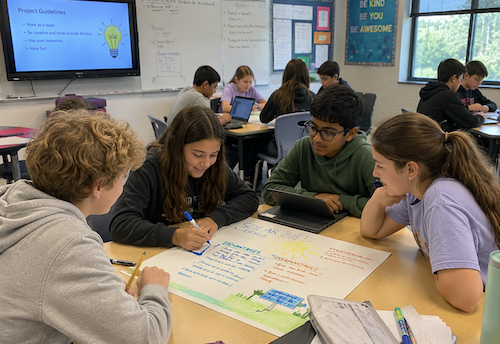
Some educators are fighting back. Schools experimenting with project-based learning, maker spaces, and flexible assessment models report gains in both engagement and standardized test scores. The tension between accountability and creativity is not zero-sum.
The challenge remains systemic. State testing mandates still govern resource allocation. Teacher evaluations often hinge on test performance, not student growth or creative thinking. Parents themselves feel trapped between college-entrance anxiety and wanting their children to explore freely.
Reclaiming the "low way" does not mean abandoning rigor or accountability. It means recognizing that the most interesting minds develop when students have space to ask questions, pursue tangents, revise their thinking, and discover their own answers.
Schools that preserve creativity alongside accountability prepare students not just for tests, but for a world that will demand original thinking. The