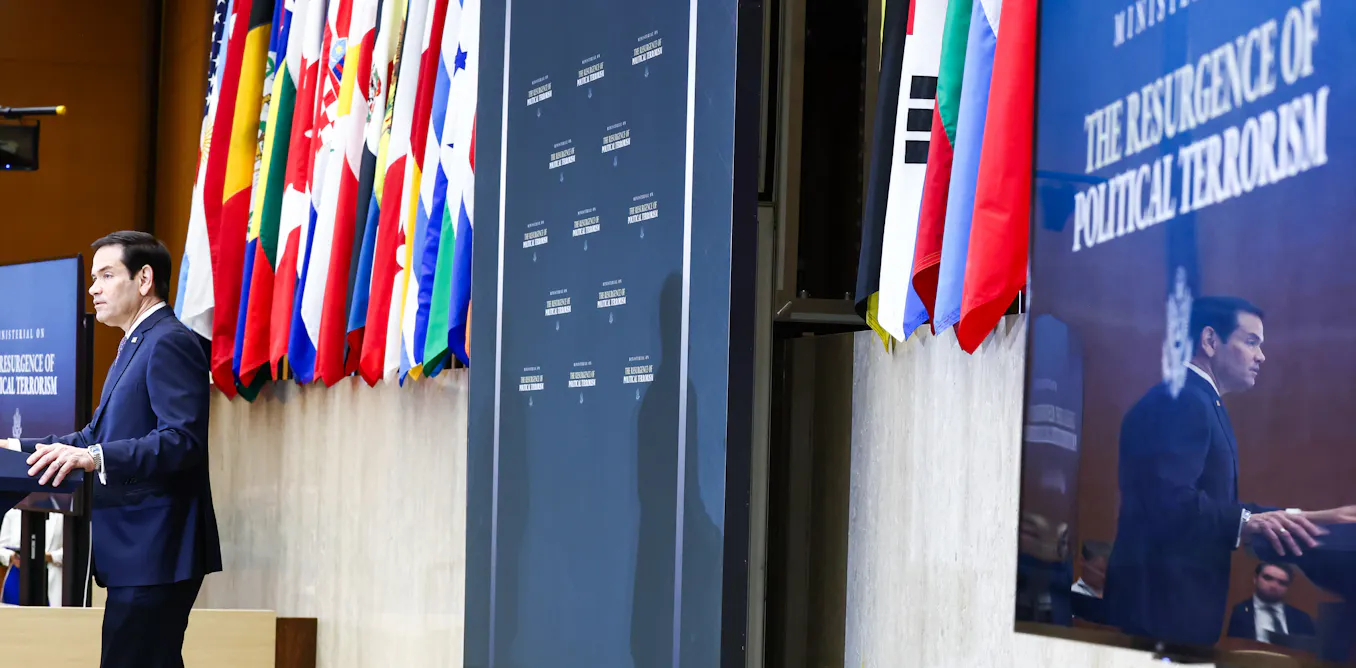
President Trump's national security memo, issued without congressional approval, has triggered a surge in federal terrorism prosecutions targeting left-wing protesters. The directive authorizes preemptive law enforcement action based on political or ideological beliefs, marking a departure from traditional prosecution standards that require evidence of specific criminal conduct.
The memo frames left-wing activism as "radical left terrorism," establishing a framework that allows agencies to classify protest activity and political expression within a counterterrorism lens. This approach has already produced multiple cases in federal courts, where prosecutors have pursued terrorism charges against individuals involved in demonstrations and protest movements.
Civil liberties organizations flag the constitutional and legal concerns. The prosecutions rely on characterizing ideological alignment with left-wing causes as evidence of terrorist intent, potentially conflating protected political speech with criminal conspiracy. Defendants face enhanced sentences and detention provisions typically reserved for violent extremism cases.
The mechanism bypasses standard legislative processes. Congress has not voted to authorize this reframing of protest prosecution or approve the resources allocated to these enforcement efforts. Instead, executive authority alone established the policy, raising separation-of-powers questions about unilateral executive classification of political movements as terrorism threats.
Supporters argue the measures target genuine threats to public safety. Critics counter that weaponizing terrorism statutes against political opponents violates First Amendment protections and erodes the distinction between lawful protest and prosecutable conduct.
The practical impact reaches courtrooms now. Defense attorneys challenge whether the underlying charges meet legal standards for terrorism or represent political prosecution. Judges must decide whether ideology alone, absent specific violent planning, justifies terrorism enhancements. These decisions will shape whether prosecutions succeed and establish precedent for future cases.
The absence of congressional oversight creates accountability gaps. Unlike legislation, executive memos face limited review mechanisms and no requirement for periodic reauthorization. This structure allows the administration to maintain the policy without debate or formal legislative constraints, affecting how federal agencies prioritize