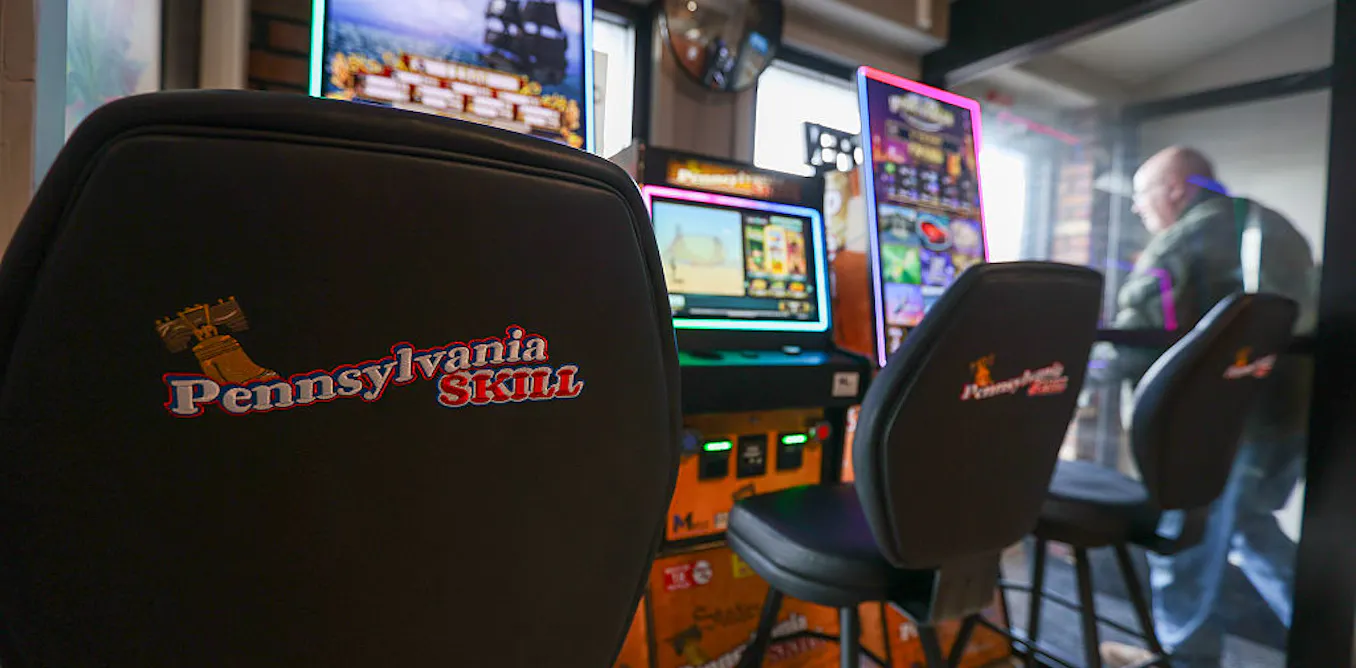
Pennsylvania's Supreme Court ruled that skill games constitute gambling, triggering a rush by Pittsburgh and state lawmakers to tax the booming industry. But a Carnegie Mellon University scholar warns the policy conversation focuses on revenue generation while ignoring whether to restrict these games altogether.
Skill games, which operators claim rely on player ability rather than chance, have exploded across convenience stores, bars, and truck stops. The Pennsylvania Supreme Court's decision removes legal ambiguity that previously allowed their proliferation without clear regulation. Pittsburgh officials now view taxation as the path forward, seeking revenue from an industry that has grown substantially without formal oversight.
The CMU researcher raises a different concern. Rather than asking "How do we tax skill games?" policymakers should first ask "Should we allow them at all?" This distinction matters because taxation assumes acceptance of the industry's existence. It sidesteps questions about potential harms, consumer protection, and social costs that typically precede regulatory decisions.
The timing reflects familiar policy patterns. Once an industry becomes economically significant, jurisdictions prioritize revenue collection over limiting expansion. Skill game operators have invested heavily in distribution and marketing, creating political momentum for legalization through taxation rather than restriction.
Pittsburgh faces pressure from multiple directions. The city needs revenue. Business owners profit from these machines. Players enjoy the games. Yet public health and consumer protection advocates worry about addiction, financial harm to vulnerable populations, and inadequate safeguards.
Pennsylvania's experience echoes national trends with unregulated gambling products. States that moved quickly to tax without first establishing clear consumer protections often faced enforcement challenges and persistent harm claims. The CMU scholar's intervention suggests Pittsburgh has a narrow window to step back from revenue-focused thinking.
Whether the city heeds this advice remains unclear. The economic incentives for taxation run deep. But the scholar's point holds weight: decisions made now about skill games will shape Pittsburgh's gambling landscape for decades. Rushing to