# How AI Helps Teachers Spend Less Time on Assessments and More Time on Impactful Instruction
Artificial intelligence is reshaping how teachers approach assessment work. Rather than replacing educator judgment, AI tools automate routine grading and data analysis tasks, freeing teachers to focus on instruction and student relationships.
The efficiency gains matter. Teachers typically spend 20 to 30 percent of their workday on administrative tasks like grading papers, entering scores into systems, and organizing student performance data. AI-powered assessment platforms handle these mechanics automatically. The technology analyzes student responses, flags patterns of misunderstanding, and generates performance summaries that teachers can review in minutes instead of hours.
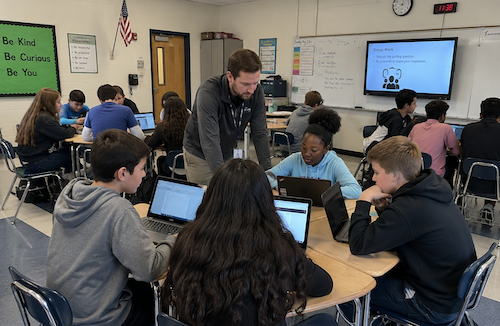
This workflow change creates space for what educators do best. With grading handled, teachers conduct deeper one-on-one conversations with students about their thinking process. They identify which instructional approaches worked and which need adjustment. They design targeted interventions based on real-time data rather than waiting days to analyze paper tests.
The critical concern remains valid. AI tools must supplement, not replace, teacher expertise. Educators bring contextual understanding that algorithms cannot capture. They recognize when a struggling student needs encouragement versus a different learning strategy. They notice creative thinking that falls outside expected answer patterns. They build the relationships that motivate students to persist through challenges.
Schools implementing AI assessment tools see the strongest results when teachers retain full control over how the technology functions. Teachers set grading rubrics. They choose which student data the system displays. They decide whether to accept the AI's analysis or override it based on classroom observation.
Districts from Chicago Public Schools to smaller suburban systems report that teachers using AI assessment platforms report higher job satisfaction. The reduction in routine administrative burden directly correlates with teachers spending more time on instructional planning and student support. Parents see the benefit too. Teachers with more preparation time deliver more personalized feedback and catch learning gaps earlier.
The