# Microplastics and Nanoplastics May Link to Heart Attacks, New Study Finds
Researchers have identified a potential connection between microplastics and nanoplastics in the bloodstream and heart attack risk, according to a recent study. The findings suggest that tiny plastic particles circulating in human blood could contribute to cardiovascular events.
The investigation examined whether patients who suffered heart attacks contained elevated levels of micro and nanoplastics compared to control groups. Early evidence points toward a correlation, though researchers continue to establish causation.
One delivery mechanism for these particles appears to be cigarette smoke. Cigarettes act as an efficient transport system for microplastic particles, allowing them to enter the lungs and potentially enter the bloodstream. This finding adds another cardiovascular risk factor to the well-documented harms of smoking.
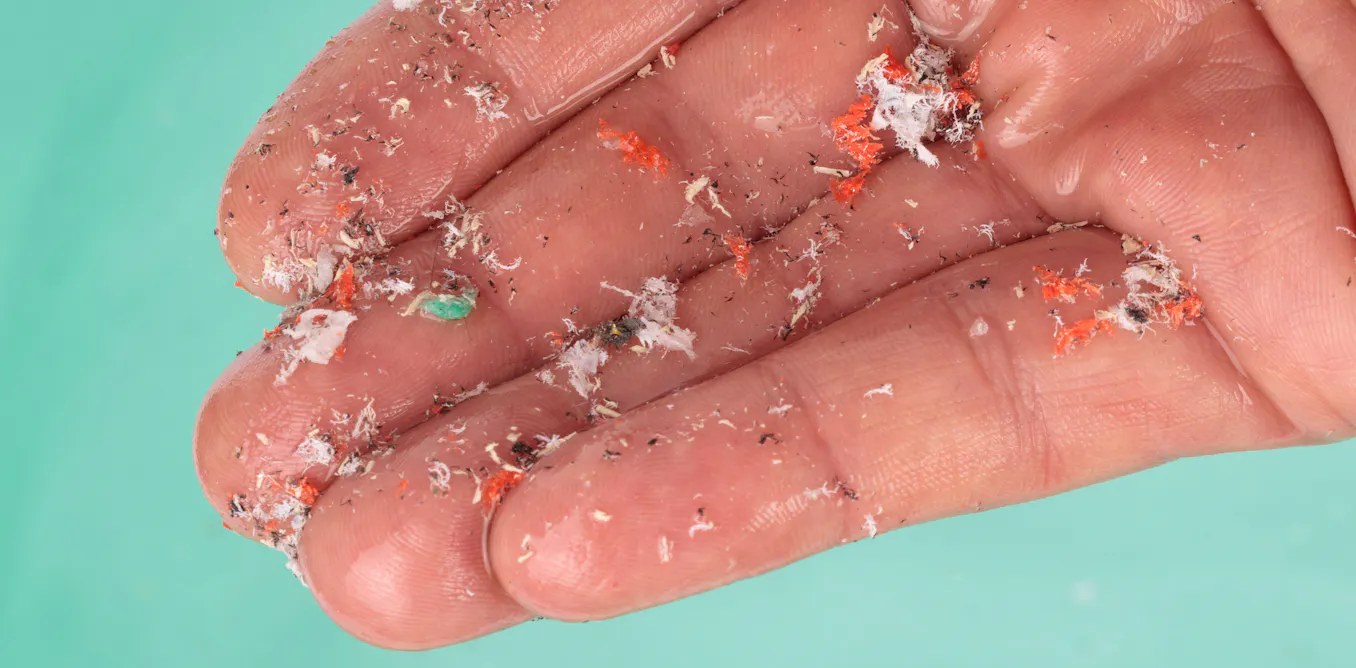
Microplastics and nanoplastics originate from the breakdown of larger plastic materials, pollution, synthetic textiles, and consumer products. Once fragmented into microscopic pieces, these particles can be inhaled through air or ingested through food and water. Their ability to cross biological barriers and enter the circulatory system raises health concerns researchers are only beginning to understand.
The study contributes to growing evidence that plastic pollution extends beyond environmental damage into direct human health impacts. Previous research has documented microplastics in human organs, blood, and tissues, but the specific link to acute cardiovascular events represents a newer area of investigation.
Public health implications remain unclear pending further research. However, the findings reinforce existing warnings about smoking's cardiovascular risks while introducing a new variable to cardiovascular disease risk assessment. Researchers recommend continued investigation into how microplastics and nanoplastics interact with the human body and whether reduction strategies could lower heart attack risk.
The research underscores an emerging reality. Plastic pollution now constitutes a health concern reaching into human circulatory