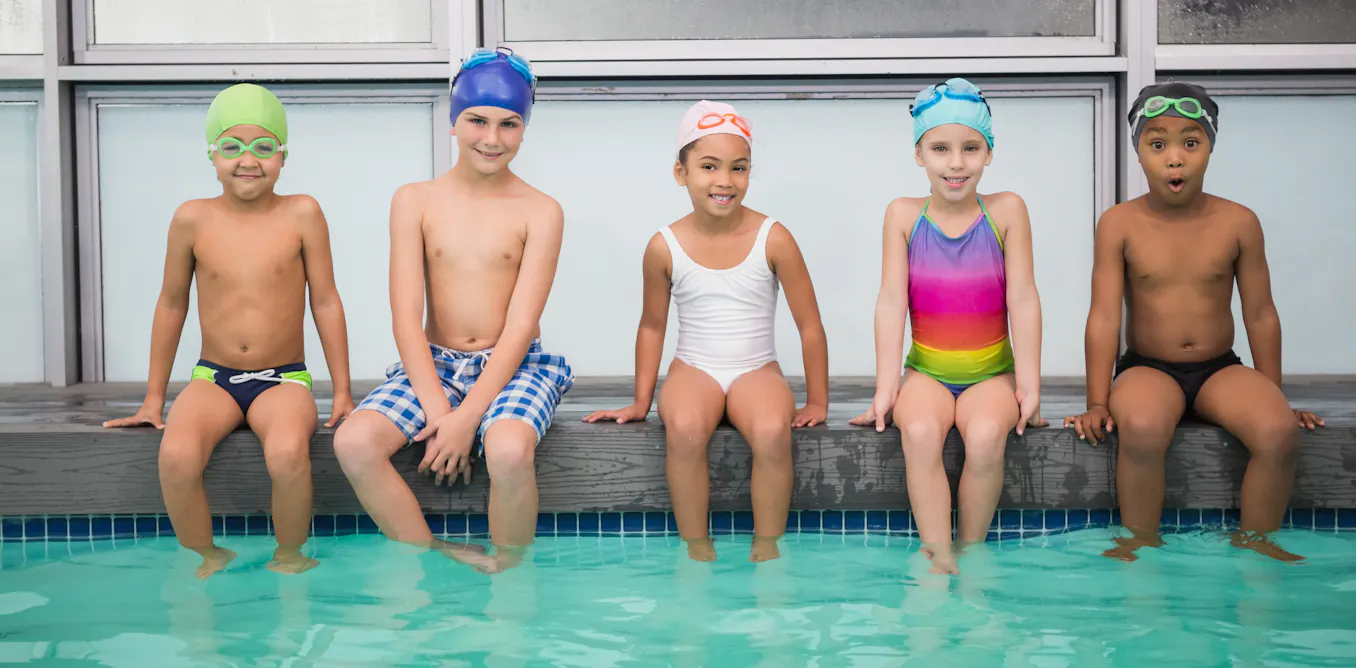
Autistic children drown at rates significantly higher than their non-autistic peers, a gap that swim lessons and targeted water safety interventions can narrow. Research demonstrates that children with autism face elevated risk during water exposure due to differences in risk perception, impulse control, and communication abilities that make standard drowning prevention less effective for this population.
Swim instruction tailored to autistic learners shows measurable impact. Programs that account for sensory sensitivities, need for routine, and varying learning styles help autistic children develop water competence and survival skills. Structured lessons that break swimming into smaller steps and use consistent teaching methods work better than traditional group classes designed for neurotypical children.
Water safety strategies specific to autism include closer supervision at pools and beaches, clear boundary markers that reduce wandering risk, and teaching caregivers to recognize early warning signs of water-related danger. Some families use identification bracelets or alarms on children who tend to elope. Communication tools like visual schedules and social stories help autistic children understand water rules before entering aquatic environments.
Prevention requires coordination between families, schools, and recreation facilities. Many public pools lack training for staff to recognize autism-related behaviors that signal distress versus play. Teaching lifeguards about autistic communication patterns and behavioral differences improves response time in emergencies.
Caregivers report that their autistic children often lack fear of water, making them less likely to avoid risky situations. Combined with potential difficulty calling for help or responding to verbal instructions during panic, this creates a dangerous gap that typical water safety messaging fails to address.
Access to specialized swim instruction remains uneven. Many families struggle to find programs with instructors trained in autism-specific teaching methods or who can accommodate sensory needs. Some states have begun funding adaptive swim programs through school systems or recreation departments, though availability remains limited.
Drowning prevention for autistic children requires moving beyond one-