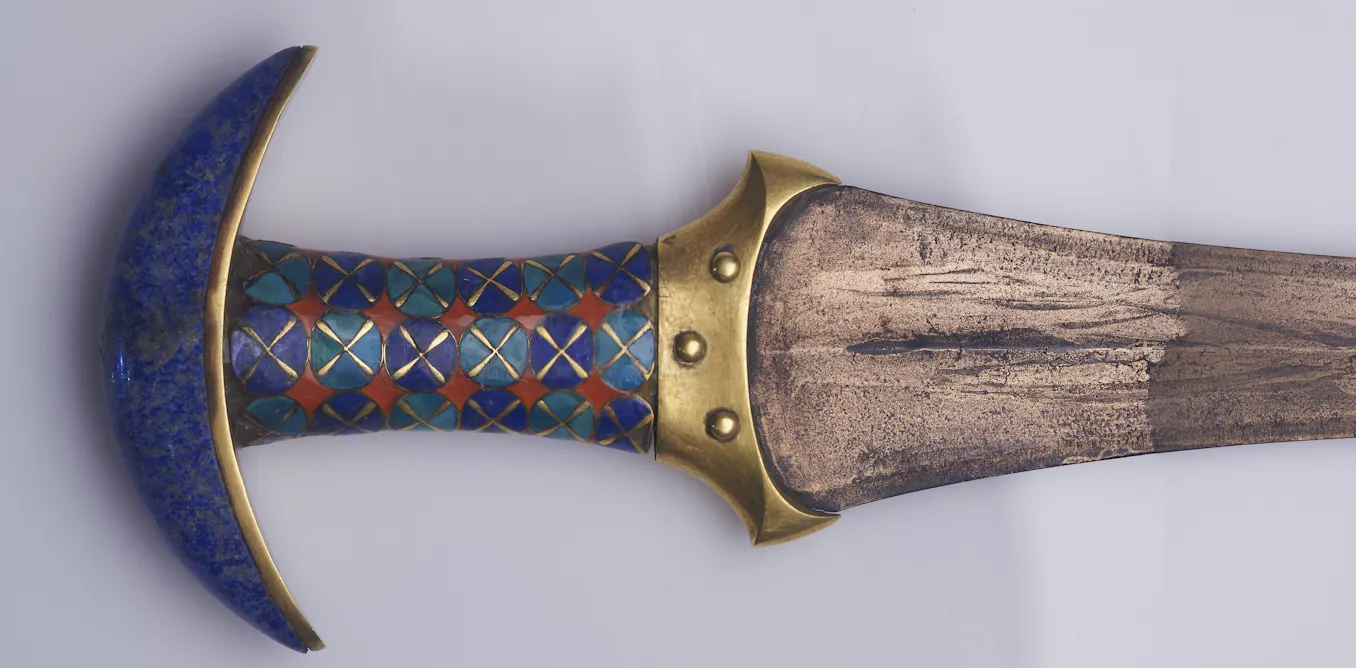
# Ancient Egyptian Princesses Used Combat Weapons, Skeletal Evidence Reveals
New skeletal analysis overturns long-held assumptions about women's roles in ancient Egypt. Researchers examining remains of royal women buried with bows, arrows, and daggers found evidence these weapons were actually used in combat, not merely placed as decorative grave goods.
The study examined bone stress markers and wear patterns on female skeletons from elite burials spanning multiple Egyptian dynasties. Physical adaptations consistent with repeated bow use appeared in the skeletal remains, including distinctive muscle attachment sites and arm bone development patterns typically associated with archery training.
This discovery challenges conventional archaeological interpretation. For decades, scholars assumed weapons buried with women served purely symbolic or ceremonial functions. The new evidence suggests otherwise. Some ancient Egyptian princesses and elite women received combat training and participated in warfare alongside men.
The findings align with historical references often dismissed as exaggerated. Ancient texts mention female warriors and hunters in royal contexts, but scholars treated these accounts skeptically. Physical evidence from bones now substantiates what written records suggested.
The research carries implications beyond ancient history. It demonstrates how modern assumptions about gender roles can distort interpretation of archaeological evidence. Female skeletal remains showing weapon-related modifications were potentially misclassified or overlooked because researchers didn't expect to find combat indicators in women's remains.
This work reflects broader shifts in archaeology toward recognizing women's participation in warfare across multiple ancient societies. Similar evidence has emerged in Viking burial sites, Scythian tombs, and other ancient cultures previously thought to be exclusively male-warrior societies.
Understanding ancient Egyptian women as warriors reshapes our knowledge of how these societies functioned. Military roles required training, physical conditioning, and access to weapons and resources. Women occupying these positions held considerable status and authority.