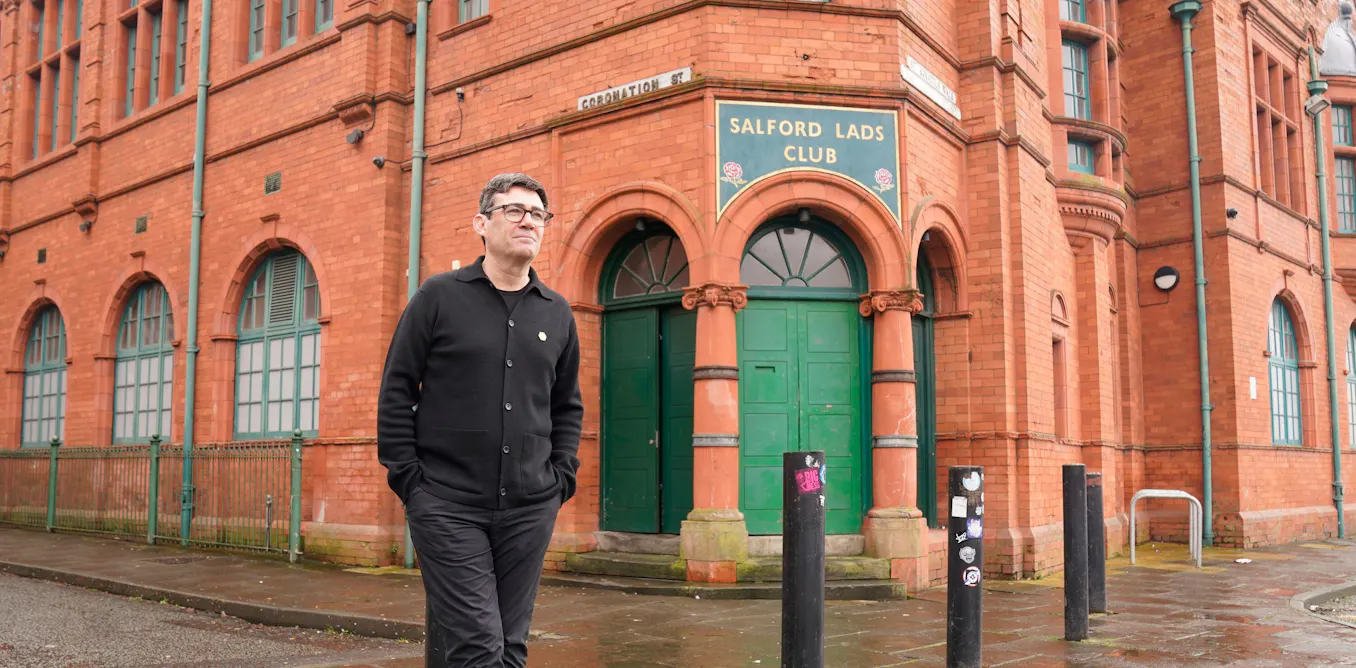
# How Manchester's Cultural Rise Shaped Its Political Identity
Manchester's transformation into a global cultural hub has fundamentally reshaped the city's politics and the leadership of Mayor Andy Burnham. The relationship between cultural development and political power operates in both directions, with music, arts, and city identity driving electoral choices while political decisions shape cultural investment.
The city's music scene, rooted in bands like Joy Division and Oasis, established Manchester as a cultural destination decades ago. This identity evolved beyond entertainment into a broader civic brand. Burnham's administration has leveraged this cultural capital, investing in galleries, theaters, and creative industries while positioning Manchester as a rival to London for cultural relevance and economic opportunity.
The "Manchesterism" framework reflects how local identity connects to political engagement. Residents who take pride in their city's cultural achievements show stronger participation in local governance. Burnham's policies on housing, transportation, and economic development align with this cultural narrative, framing improvements as part of Manchester's ongoing reinvention rather than routine municipal work.
Cultural institutions have become political actors themselves. Major venues and arts organizations now shape public discourse on inequality, housing affordability, and regional investment. When galleries or music venues struggle, they mobilize constituents. When they thrive, they validate the political leadership's vision.
This dynamic differs from cities where culture and politics operate separately. In Manchester, they're intertwined. A musician's choice to perform or base operations in the city becomes a political statement about the city's health. A theater's programming reflects Burnham's stated priorities around social inclusion and regional pride.
The model has limits. Not all residents benefit equally from cultural investment. Gentrification follows arts development, pricing out longtime residents. Young people seeking creative careers sometimes leave for cheaper cities. Political leaders must balance cultural ambition with broader economic access.
Manchester's approach offers a template for cities seeking to build