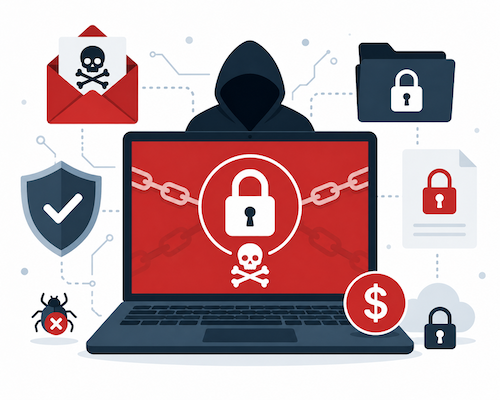
Schools must prioritize protecting their data layer as the foundation of cyber resilience, according to education technology experts. The data layer houses the information schools depend on most, and recovery from cyberattacks begins there.
Schools face escalating threats from ransomware, data breaches, and system failures that disrupt instruction and operations. Traditional security approaches that focus only on perimeter defense leave schools vulnerable. A data-centric strategy changes that equation.
The data layer contains student records, financial information, attendance systems, grade databases, and operational files that keep schools functioning. When attackers target schools, they frequently aim at this data to encrypt it, demand ransom payments, or steal sensitive information. Even brief outages cascade across entire districts. Teachers cannot access lesson plans. Administrators cannot process payroll. Students cannot access learning platforms.
Building resilience at the data layer requires schools to implement multiple protective measures. These include regular backups stored separately from main systems, access controls that limit who can modify critical files, encryption standards that protect data both in transit and at rest, and monitoring systems that detect unauthorized changes quickly.
Recovery planning must also center on data. Schools need documented procedures for restoring operations from backups, testing those procedures regularly, and maintaining clear inventories of which systems depend on which data. When an incident occurs, knowing exactly what data to restore and in what order determines how fast schools return to normal operations.
Smaller districts with limited IT staff often struggle most with data protection. They lack resources for sophisticated security tools and personnel to manage them. Many rely on cloud service providers for storage and backup, which shifts some responsibility but does not eliminate the need for local oversight and backup strategies.
Experts recommend schools conduct data audits to identify their most critical information, assess current backup and recovery capabilities, and fill gaps. Partnering with managed security service providers, investing in staff training, and implementing automated backup solutions help schools strengthen their data layer