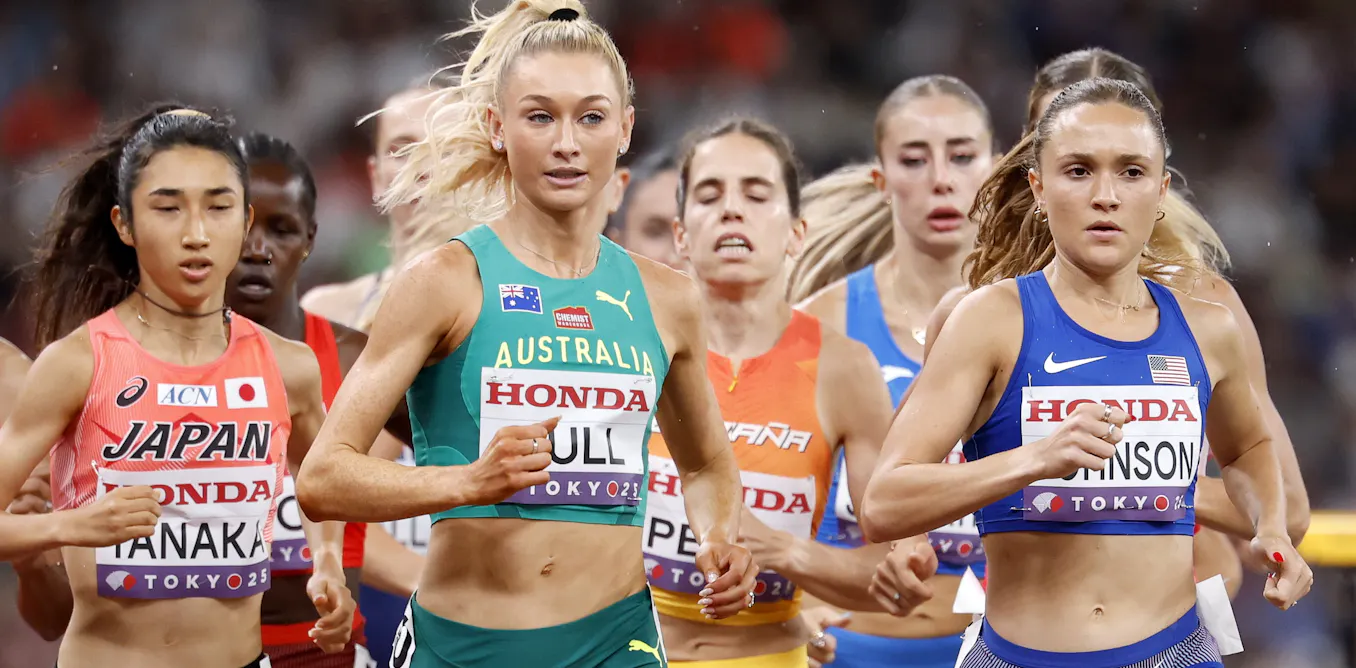
European broadcasting regulators have issued guidance directing sports networks to avoid sexualized camera angles and slow-motion replays during women's athletics competitions. The recommendations target close-up shots of athletes' bodies and gratuitous replays that focus on physical appearance rather than athletic performance.
The directive responds to decades of criticism about how women's sports receive unequal visual treatment compared to men's events. Female athletes in track and field have long complained about camera work that emphasizes body parts over performance, a practice that reduces competitors to physical objects rather than showcasing their skill and competence.
The European approach reflects growing recognition that broadcasting choices shape how audiences perceive athletes. When networks consistently use certain shots during women's events but not men's, they send a message about whose bodies matter for display versus whose accomplishments merit attention. Sports broadcasters in Europe now face pressure to align their coverage standards across genders.
Australia's sports media landscape lags behind this development. Australian broadcasters have not adopted equivalent guidelines, leaving women athletes vulnerable to the same objectifying coverage patterns. National sporting bodies and media regulators lack coordinated standards addressing how women's athletics should be filmed and presented.
The gap matters because Australia hosts significant women's athletics events and broadcasts international competitions. Without clear guidelines, Australian networks continue practices that Europe has now formally discouraged. Female athletes competing in Australia or watched by Australian audiences receive inconsistent protections against sexualized framing.
Advocates argue Australian regulators should adopt similar broadcasting standards immediately. The change requires no new technology or expensive infrastructure. Instead, it demands intentional editorial decisions about shot selection, replay choices, and camera positioning that treat women athletes as competitors first.
Implementation would align Australian broadcasting with international norms while signaling commitment to equal treatment in sports media. European guidance provides a concrete model. Australian broadcasters and regulators now face pressure to demonstrate they recognize the problem and commit to solutions already adopted elsewhere.