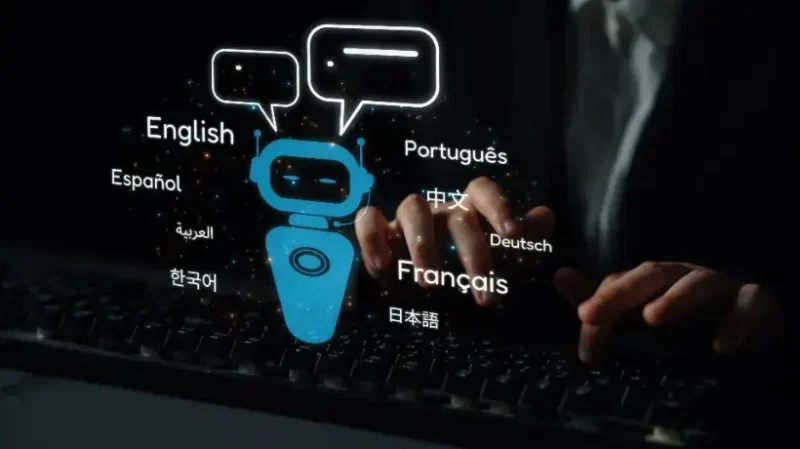
AI language tutoring tools address a different problem than most educators assume. Rather than threatening teacher jobs, these platforms tackle a fundamental barrier to language learning: student fear and reluctance to practice.
Usage data from AI tutoring platforms reveals that learners avoid speaking practice not primarily because they lack opportunities, but because they fear making mistakes in front of peers or teachers. This anxiety creates a "practice gap" where students know they need to speak but avoid doing so. AI tutors remove social judgment from the equation, allowing learners to fail privately and repeatedly without embarrassment.
The distinction matters. Language teachers excel at instruction, cultural context, motivation, and real human interaction. AI tools excel at providing unlimited, judgment-free repetition. These functions are complementary rather than competitive.
Research from language learning platforms shows that consistent practice correlates strongly with proficiency gains, yet many students plateau because they stop speaking after classroom instruction ends. An AI tutor available at 11 p.m. or during lunch break removes scheduling barriers and psychological friction simultaneously. Learners can stumble through conjugations, mispronounce vocabulary, and restart conversations without peer witnesses.
Early usage patterns support this framework. Students who use AI tutors before class arrive more prepared for teacher-led interaction. They've already worked through basic mistakes privately. Teachers then shift focus from basic drilling to nuanced communication, cultural discussion, and complex problem-solving.
The real risk isn't replacement. It's unequal access. Schools in well-funded districts will integrate AI tutoring as a supplement. Under-resourced schools may not. This widens existing achievement gaps in language learning, where practice volume directly predicts outcomes.
Districts considering AI tutoring tools should view them as practice infrastructure, not teacher substitutes. Effective implementation pairs AI access with strong classroom instruction and clear accountability for student usage. Teachers need training to interpret AI usage data and adapt instruction based on where students