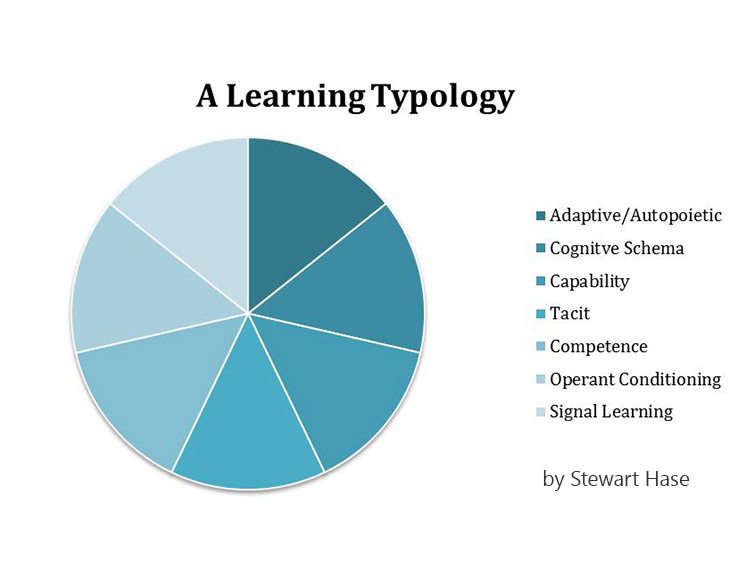
# A Learning Typology: 7 Ways We Come To Understand
TeachThought has released a framework that categorizes how people learn, distinguishing itself as a typology rather than a taxonomy. The distinction matters. A taxonomy classifies learning styles into rigid categories. A typology recognizes that learning operates across multiple overlapping dimensions.
The framework identifies seven pathways through which humans acquire understanding. Unlike traditional learning style theories that box students into single categories (visual, auditory, kinesthetic), this approach acknowledges that learners shift between modes depending on context, content, and circumstance.
Typologies have gained traction in education research because they reflect how learning actually works in practice. A student might learn mathematics through logical sequencing in one lesson, then shift to spatial reasoning when tackling geometry, then move to collaborative problem-solving in the next unit. This flexibility mirrors real cognitive processes better than static classifications.
The distinction between typology and taxonomy carries practical implications for educators. Taxonomy-based approaches can lead teachers to label students ("he's a visual learner") and design instruction narrowly. Typology-based frameworks instead prompt educators to design learning experiences that activate multiple pathways, ensuring broader access for diverse learners.
TeachThought's model joins other research-informed frameworks that have moved away from debunked learning styles theory. The scientific consensus, established through studies in learning science journals, shows minimal evidence that matching instruction to purported learning styles improves outcomes. Typologies sidestep this problem by abandoning the matching premise entirely.
For teachers implementing this framework, the practical takeaway is straightforward. Rather than assessing students to place them in learning style boxes, design tasks that naturally incorporate multiple modes of understanding. A single history lesson might include document analysis (linguistic), timeline visualization (spatial), group debate (interpersonal), and personal narrative reflection (intrapersonal).
This approach