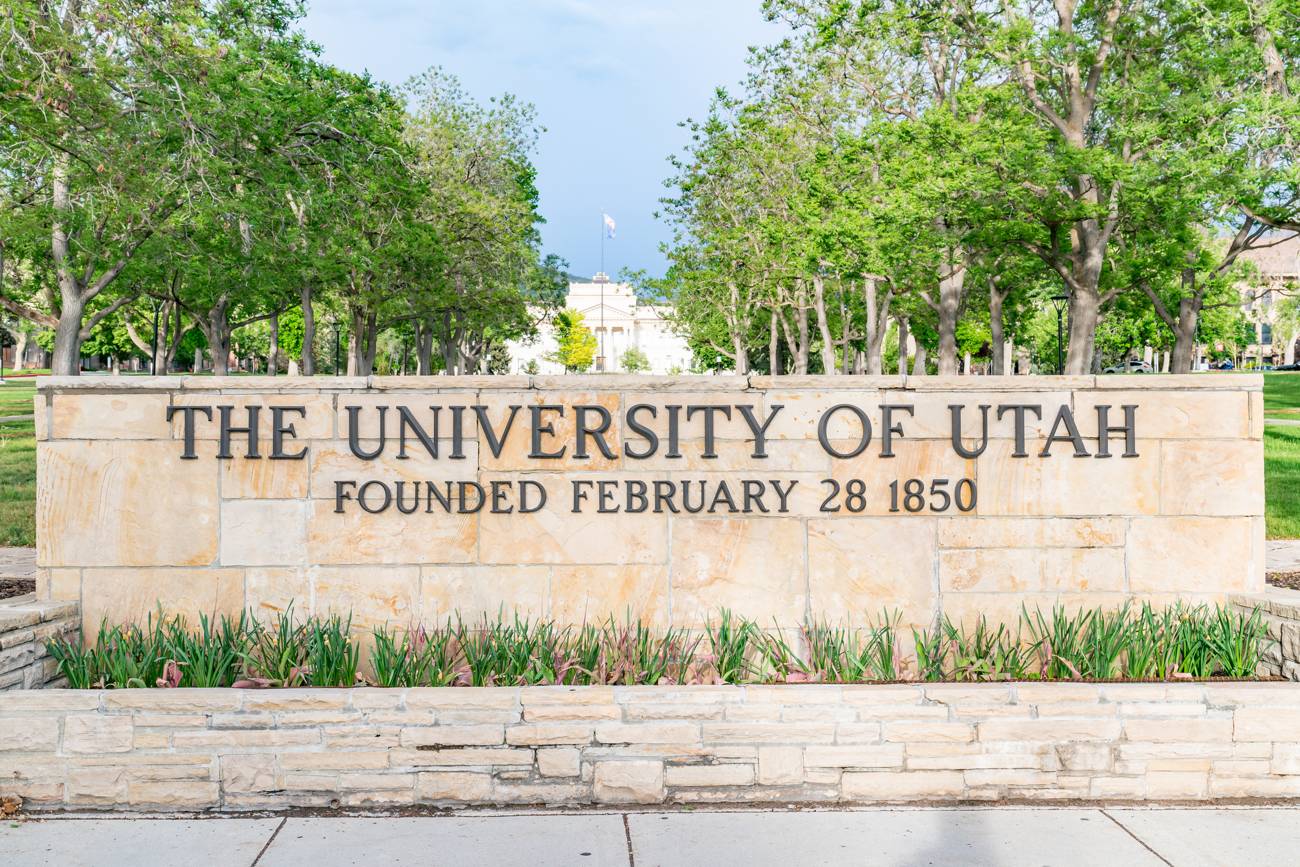
The University of Utah board of trustees has approved a new bachelor's degree in artificial intelligence, positioning the institution to offer Utah's first undergraduate degree focused on AI. The program requires additional approval from the state's governing education body before students can enroll.
The degree represents a direct response to growing demand for AI expertise in the job market. Tech companies and employers across sectors now compete aggressively for workers trained in machine learning, data science, and AI systems. Utah's tech corridor, particularly around Salt Lake City, has expanded significantly in recent years, creating regional demand for skilled AI professionals.
The University of Utah joins other major research institutions developing specialized AI undergraduate programs. Carnegie Mellon, MIT, and UC Berkeley have launched similar degrees over the past few years. These programs typically combine computer science fundamentals with courses in machine learning, neural networks, ethics in AI, and practical applications across industries.
Details about curriculum requirements, admission standards, and launch timeline were not specified in the board's approval announcement. The program will likely require prerequisites in mathematics and computer science, drawing from the university's existing computer science department.
The approval signals a shift in higher education strategy. Universities increasingly recognize that standalone AI degrees attract students and position graduates competitively for lucrative jobs. Entry-level AI positions typically offer starting salaries above $100,000 in competitive tech markets.
State approval remains necessary before the program launches. Education governing bodies in Utah will review the curriculum, faculty qualifications, and resource allocation. Once cleared, the University of Utah could begin accepting students for fall 2024 or 2025, depending on approval timelines.
The development reflects broader national trends. Universities nationwide are rapidly expanding AI and data science offerings at both undergraduate and graduate levels, recognizing that AI literacy will shape workforce competitiveness for decades ahead.