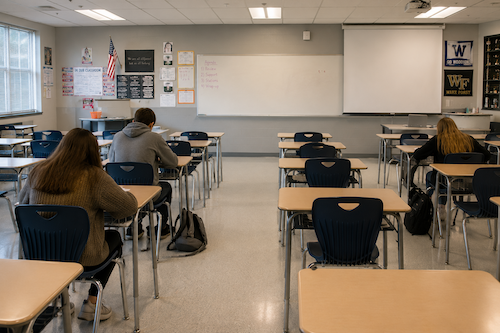
Schools nationwide face rising chronic absenteeism, but many districts address it as a simple attendance issue rather than recognizing its deeper roots in students' social-emotional health.
Districts need evidence-based social-emotional learning (SEL) assessments to identify struggling students early, before chronic absences accumulate. Chronic absenteeism—typically defined as missing 10% or more of school days—correlates with academic decline, behavioral problems, and eventual dropout. The condition often stems from anxiety, depression, disengagement, or unstable home circumstances that standard attendance policies fail to address.
Schools treating absenteeism purely as a compliance matter through penalties or automated notifications miss the opportunity for intervention. SEL assessments measure competencies including self-awareness, relationship skills, responsible decision-making, and social awareness. When implemented systematically, these tools help educators spot at-risk students whose absences reflect emotional distress rather than deliberate defiance.
Early identification matters. Research shows that students exhibiting low SEL competencies in elementary grades show higher absenteeism by middle school. Districts implementing comprehensive SEL frameworks alongside attendance monitoring report better outcomes than those relying on discipline alone.
Effective approaches combine SEL assessment data with targeted support: counseling services, mentorship programs, family engagement, and classroom-based social-emotional instruction. Some districts train teachers to recognize warning signs during check-ins. Others use SEL screening tools at enrollment to flag vulnerable students immediately.
The cost of inaction extends beyond lost instructional time. Chronically absent students fall behind academically, struggle with peer relationships, and face reduced graduation rates. Districts investing in SEL assessment infrastructure position themselves to intervene before chronic patterns solidify.
Schools implementing this dual approach—treating absenteeism as both an attendance and a mental health issue—report attendance improvements within one school year. The shift requires reframing absent students not as discipline