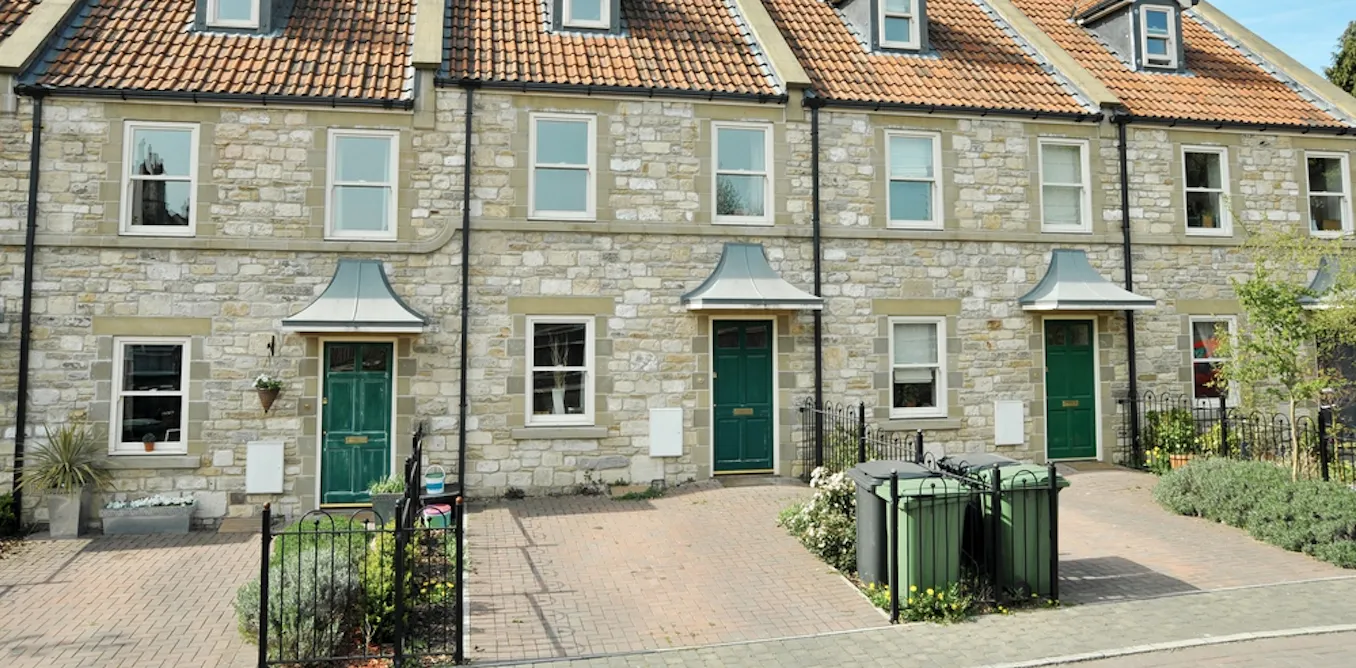
# How Paving Front Gardens Worsens Urban Heat at Night
Households across the UK are replacing front gardens with driveways at an accelerating rate, and new research shows this trend amplifies nighttime heat in residential neighborhoods.
When permeable soil and vegetation give way to asphalt and concrete, the urban landscape loses its ability to absorb and retain water. More critically, hard surfaces absorb solar radiation during the day and release that heat slowly after sunset, raising nighttime temperatures in affected areas.
The phenomenon extends beyond individual driveways. Scientists studying urban heat islands have documented that widespread hardscaping transforms microclimates. Front gardens typically feature trees, shrubs, and grass that cool neighborhoods through evapotranspiration, the process where plants release water vapor. When these green spaces vanish, that cooling mechanism disappears.
Neighborhoods with extensive driveway coverage experience measurable temperature increases between dusk and dawn. The effect proves most severe during summer months. Local councils have observed correlations between street-level paving trends and reduced overnight cooling in residential districts.
The trend reflects practical pressures. Parking demand drives many homeowners to convert gardens into hard surfaces. Planning regulations in England once restricted such conversions, but policy changes in 2008 exempted driveways under 5 square meters from requiring planning permission, accelerating the shift.
The health implications matter for vulnerable populations. Elderly residents and young children experience greater stress from sustained nighttime heat. Sleep disruption becomes more common in areas with elevated nighttime temperatures.
Some local authorities now encourage permeable paving and wildflower borders as alternatives. Materials like recycled plastic grids allow water drainage while providing parking space. However, adoption remains limited without consistent policy guidance.
The research underscores a broader tension between vehicle storage needs and climate resilience. As temperatures continue rising, the cumulative effect of small landscape