# Could Count Binface Actually Win?
Reform UK's polling numbers have declined over the past year, creating an opening for unconventional candidates. Count Binface, the satirical character who has run in multiple UK elections, represents a broader trend of protest voting and disenchantment with traditional parties.
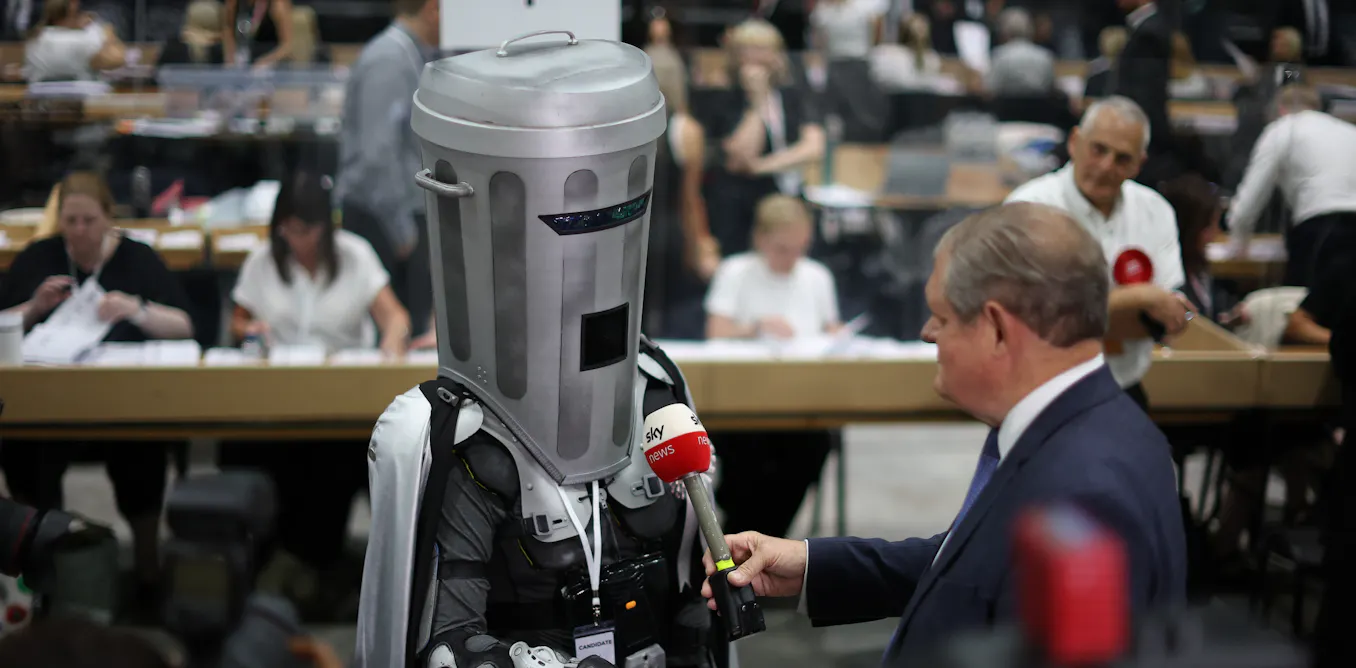
Binface, created by comedian Jon Harvey, has become a recurring fixture in British elections since 2017. The character campaigns on absurdist policies and appeals to voters frustrated with mainstream politics. While the candidate has never won a seat, the declining support for Reform UK suggests voter dissatisfaction extends beyond single-issue parties.
Reform UK emerged as a protest vehicle against established Conservative and Labour positions, particularly on immigration and economic policy. The party peaked during the 2024 general election but has since lost momentum as voters reassess their options. This volatility opens space for alternative candidates who embody voter frustration.
Binface's appeal lies partly in satire that mirrors real political dysfunction. Voters who feel unrepresented by traditional options sometimes cast protest votes for joke candidates. However, the British electoral system presents obstacles. First-past-the-post voting means Binface would need to finish first in a specific constituency to win, not simply gain national attention.
Count Binface remains unlikely to actually win parliamentary representation. The character captures a genuine mood of voter discontent but lacks the organized infrastructure and serious platform necessary for electoral success. Yet the fact that such a candidate generates discussion reflects broader frustration with politics as usual.
As Reform UK's numbers soften, established parties face pressure to address the underlying concerns that drive voters toward both fringe parties and novelty candidates. The political environment remains fluid, but Binface's potential lies in representing protest energy rather than achieving actual office.