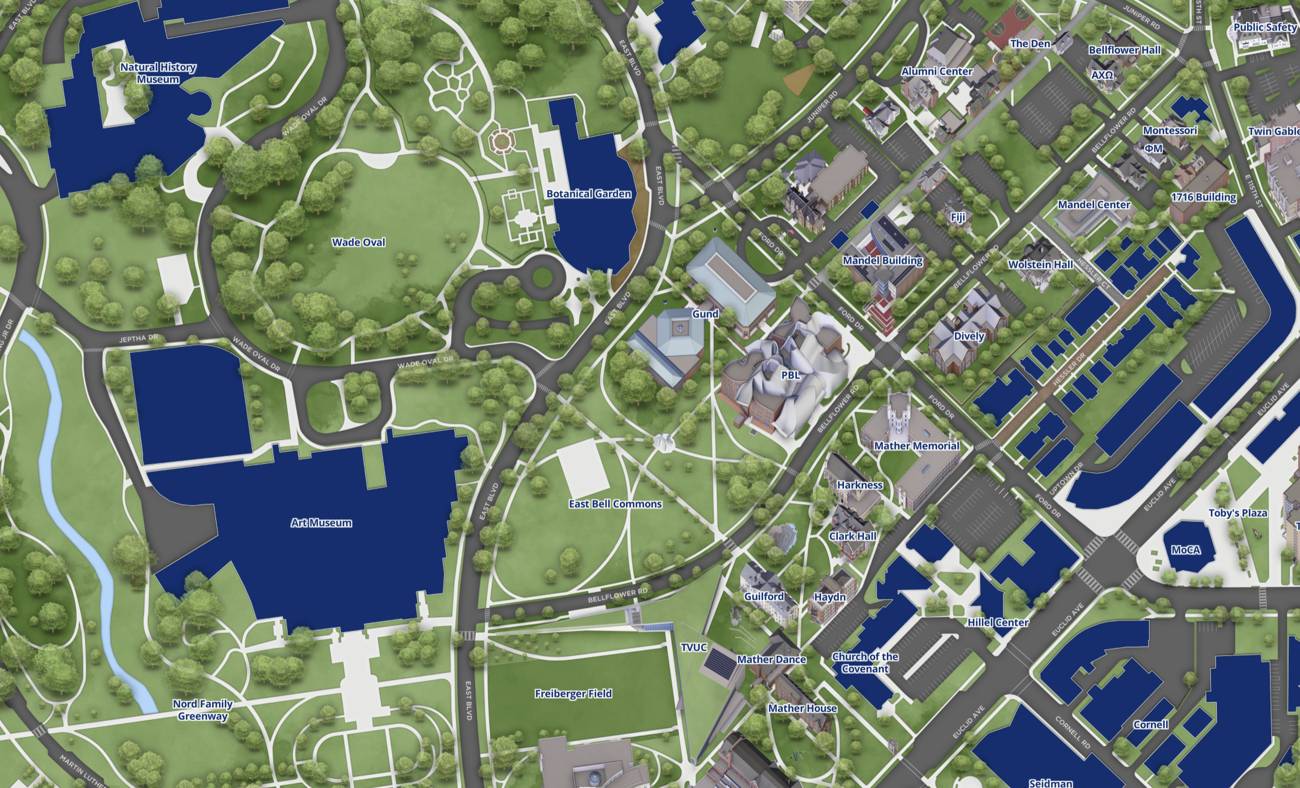
Case Western Reserve University has launched an interactive campus map designed to help students, visitors, and staff navigate its Cleveland campus more efficiently. The new tool includes turn-by-turn directions between buildings, a feature that distinguishes it from standard campus maps.
The map addresses a practical problem many universities face: first-year students and campus visitors struggle to locate buildings and navigate unfamiliar terrain. By offering step-by-step guidance similar to GPS navigation apps, Case Western's system reduces confusion and saves time during orientation periods and daily campus life.
The implementation reflects a broader trend in higher education where institutions invest in digital tools to improve the student experience. Universities increasingly recognize that small operational improvements, from wayfinding to facility accessibility, contribute to student satisfaction and retention.
Case Western Reserve, a private research university with roughly 10,000 students, serves students across engineering, sciences, business, and health professions. An improved campus navigation system benefits all these populations, particularly graduate students and international students who may lack familiarity with the Cleveland area.
The tool likely integrates with Case Western's existing digital infrastructure, possibly connecting to mobile apps or web browsers that students already use. This approach maximizes adoption rates and keeps information centralized in platforms students frequent.
Details about additional features remain limited in the initial announcement. Universities typically include accessibility information, building hours, parking locations, and real-time facility updates in comprehensive campus maps. Whether Case Western's version incorporates these elements or focuses primarily on navigation remains unclear.
The launch exemplifies how universities compete for student enrollment and satisfaction through incremental technology improvements. While a campus map may seem minor compared to academic programs or housing quality, such tools influence how students perceive their institution's operational competence and responsiveness to their needs.