# Water Pollution Threatens Great Barrier Reef as Current Plans Fall Short
Water pollution represents one of the few environmental threats to the Great Barrier Reef that Australian authorities can actually control. Yet current remediation efforts remain inadequate to address the scale of the problem.
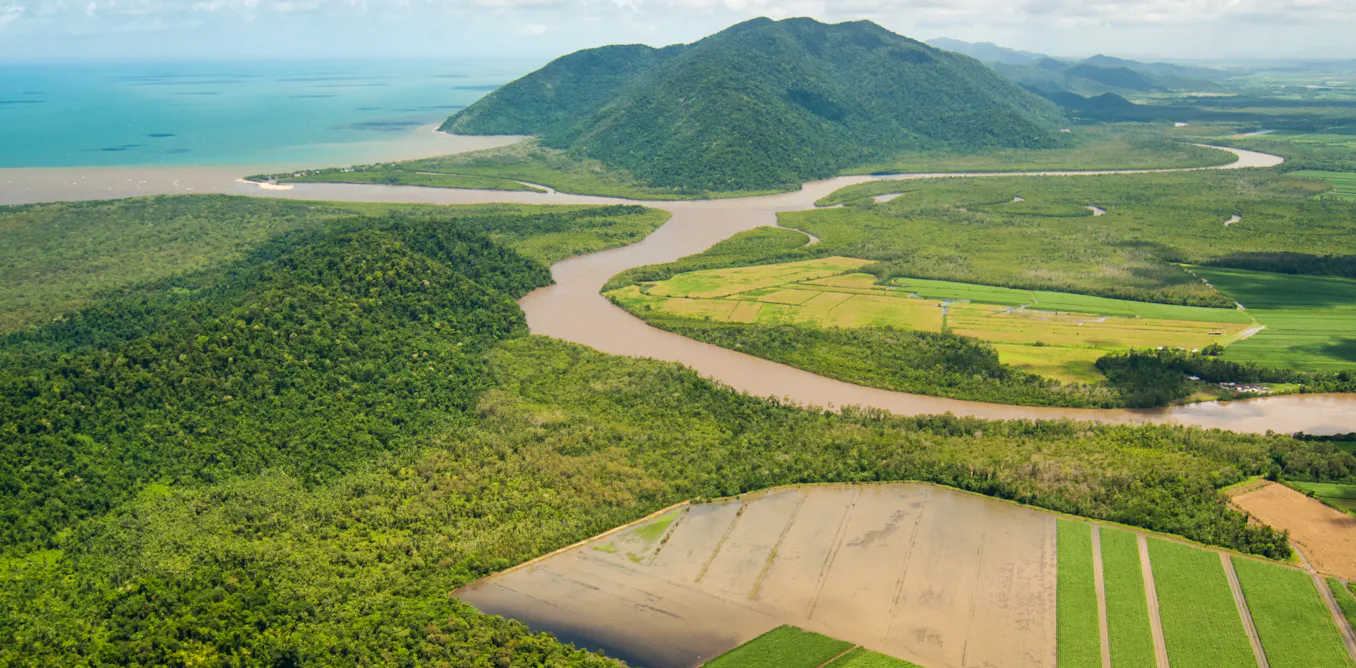
Agricultural runoff, sewage discharge, and industrial waste continuously degrade reef ecosystems. Nutrient-rich water from farms triggers algal blooms that block sunlight and suffocate coral. Sediment from coastal development smothers reef structures. These pollutants originate from land-based sources across Queensland and northern Australia, making them theoretically addressable through domestic policy.
The Australian government has introduced water quality improvement schemes, particularly under the Reef 2050 Plan and various state-level initiatives. These programs target sediment reduction from agricultural practices and upgrade sewage treatment facilities. However, environmental researchers argue the commitments lack sufficient funding and enforcement mechanisms to meet necessary targets.
The challenge carries educational weight. Schools and universities in reef-adjacent regions increasingly incorporate coral science and marine conservation into curricula. Students learn about water chemistry, ecosystem resilience, and the economics of reef-dependent industries like tourism and fishing.
Unlike climate change or ocean acidification, which require global coordination, water pollution control sits squarely within Australia's jurisdiction. Local implementation matters. Stricter regulations on agricultural fertilizer use, mandatory upgrades to wastewater treatment, and enhanced monitoring systems all fall within reach.
Environmental scientists emphasize that the window for effective action remains open but narrowing. Reef degradation accelerates when multiple stressors converge. Addressing water quality now prevents compounding damage from heat stress and other threats beyond immediate Australian control.
The gap between what officials can do and what they actually commit to doing defines the current standoff. Adequate investment in water quality infrastructure, agricultural reform, and coastal development restrictions remains politically contentious. Without