Chinese financial institutions have poured billions into African agriculture over the past two decades, yet new research reveals a critical gap in where that money flows. Lenders focus heavily on farming production itself while largely bypassing the infrastructure that transforms raw crops into marketable products.
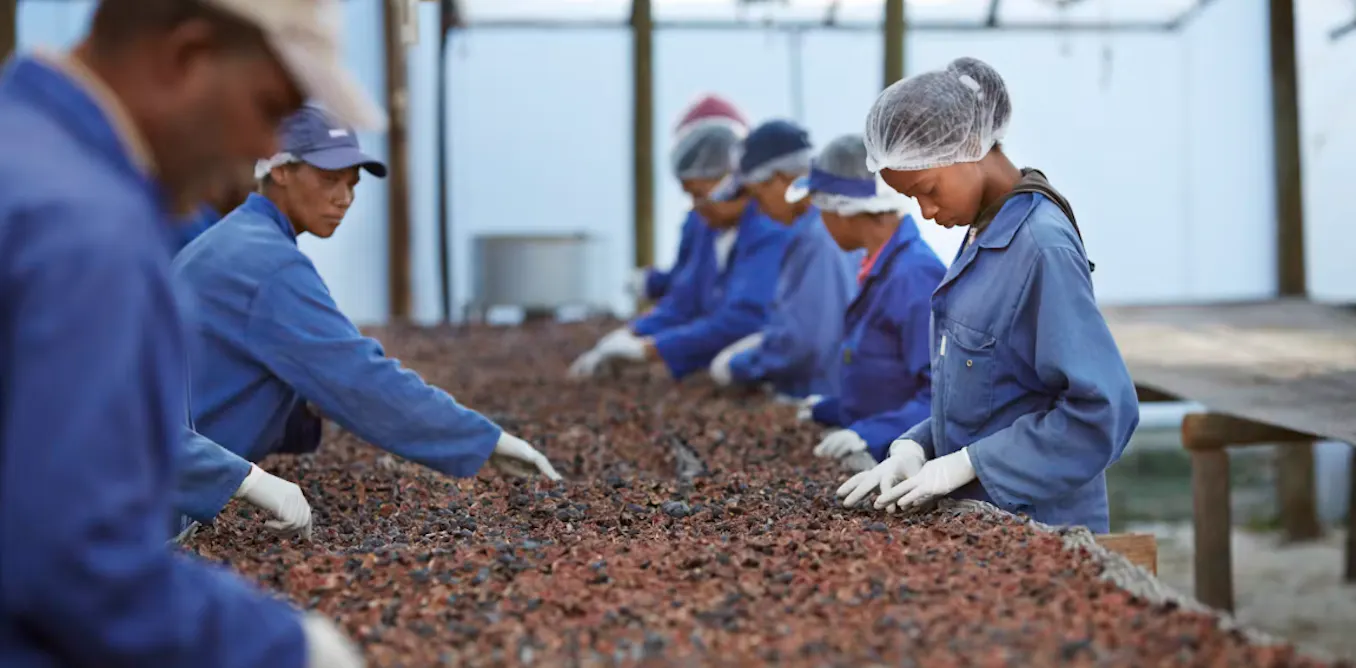
The imbalance matters because African nations lose an estimated 30 to 40 percent of harvested food to spoilage, insect damage, and rot. Modern food processing facilities and cold storage systems could slash these losses significantly. Instead, Chinese investments concentrate on equipment, seeds, and farming technology that boost yields at the farm gate. Once crops leave the field, the financing dries up.
This pattern reflects how Chinese development finance operates. Banks prioritize projects with immediate, measurable returns and clear repayment streams. A tractor purchase or irrigation system delivers quantifiable productivity gains. Processing plants and storage infrastructure require longer timelines to recover costs and depend on stable local supply chains that may not exist yet.
The consequences ripple through African economies. Farmers harvest more food but cannot sell it profitably because middlemen control storage and processing. Rural incomes stagnate despite higher output. Governments must import processed foods at higher costs while their own crops spoil. The continent imports roughly 40 percent of its food needs, draining foreign currency.
African policymakers argue that Chinese lenders should shift strategy. Developing regional food systems requires coordinated investment across the entire supply chain, not just production. Nigeria, Kenya, and other nations have begun requesting financing for post-harvest infrastructure in loan negotiations. Some Chinese institutions have responded with modest increases in food processing projects, though data remains limited.
The research underscores a broader tension in development finance. Quick wins in farm productivity create political visibility for lenders. Building the unglamorous infrastructure that connects farms to markets takes longer and requires different expertise. Without addressing this gap, African farmers will continue producing abundant crops that